REVIEW · ALGARVE
Algarve Coast: Paragliding Experience
Book on GetYourGuide →Operated by Paragliding with Nelson · Bookable on GetYourGuide
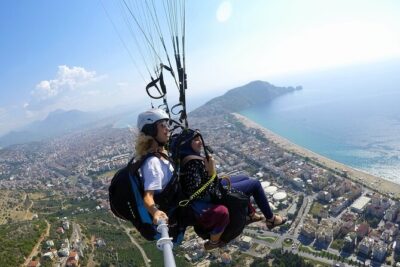
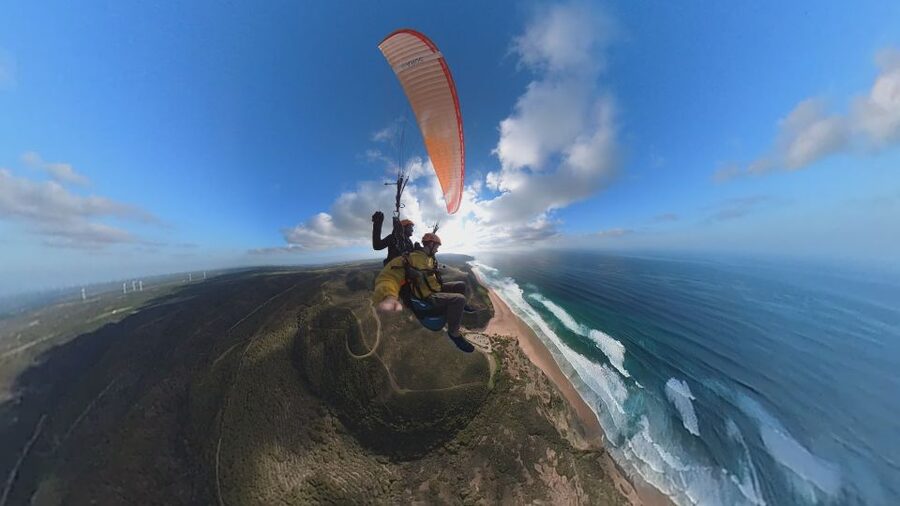
Hanging under a wing in Algarve feels unreal. This pedagogical paragliding flight pairs nervous energy with real instruction, so you get pan views of the coast without guessing what comes next. You’ll fly over white-sand beaches, colorful water, and red cliffs with Nelson, who’s calm, relaxed, and big on safety.
I like that the experience is built for your first time: you get a briefing, you get fitted with the gear, and you’re guided step by step until takeoff. I also love the payoff of looking down at the sea’s shades and watching the coastline roll by for a true 15 minutes. One consideration: the flight depends on wind and can mean waiting up to three hours, and the launch site can shift between Lagos and Vila do Bispo.
In This Review
- Key moments that make this Algarve paragliding flight worth it
- Pedagogical paragliding: what you’re really paying for
- Weather decides everything: timing, waiting, and where you fly
- From your confirmed meeting point to gear fitting
- The preparation briefing that calms first-time nerves
- Takeoff: the moment that feels like a switch flips
- 15 minutes above the Algarve: what you’ll actually see
- Landing: smooth, controlled, and surprisingly satisfying
- Optional GoPro and Insta360: making the memory replayable
- What to wear (and what to avoid) so you feel comfortable
- Price and value: is $148 worth it?
- Who this paragliding flight fits best (and who should skip it)
- Choosing your day: how to plan around the waiting
- Final call: should you book the Algarve paragliding experience?
- FAQ
- How long is the paragliding flight?
- When will I find out the meeting point?
- Where will we launch from?
- What’s included in the price?
- How big is the group?
- What languages will the instructor speak?
- What should I wear or bring?
- What is not allowed?
- Is this suitable for everyone?
Key moments that make this Algarve paragliding flight worth it
- A true first-flight lesson: you’ll get taught the basics before you ever lift off
- Small group size (2 participants max): more attention during prep, fewer distractions
- Weather-first scheduling: meeting point and exact timing are set the day before after 7 PM
- 15 minutes in the air, not a show-and-rush: you spend meaningful time gliding over the coast
- Optional Insta360/GoPro video: the footage can turn the memory into something you can re-watch
Pedagogical paragliding: what you’re really paying for
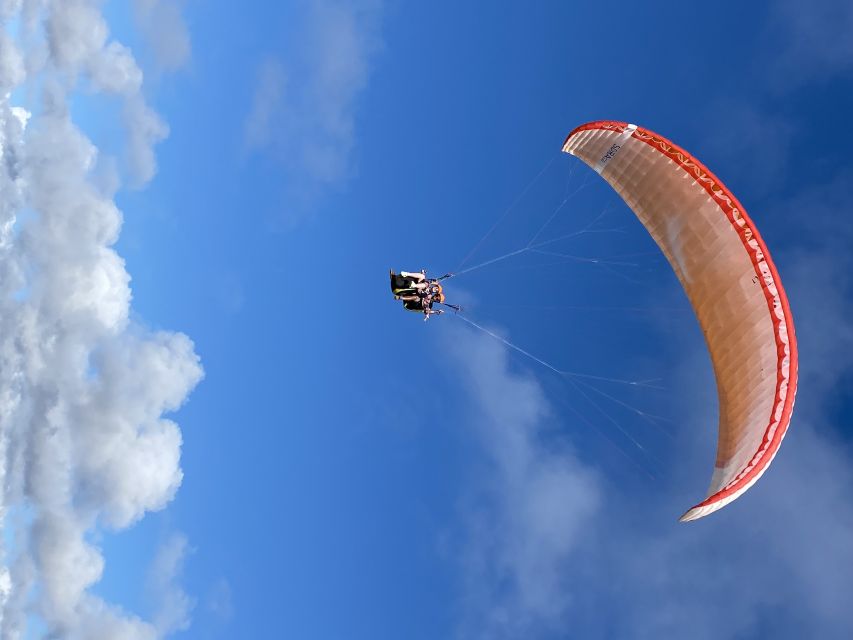
This isn’t “toss you off a hill and hope for the best.” It’s a teaching flight, which matters a lot if you’re even a little unsure about heights.
You’re connected to a pilot, and you’ll be guided through what to do and what you’ll feel. That’s the real value here: your role is to show up, listen, dress correctly, and follow instruction. Then the motion takes over. If you want the freedom of flight with training wheels, this format fits.
I also like that the experience frames paragliding as both fun and a small challenge. You’re going to have a moment where your brain argues with your body. The instructors’ job is to help you switch that fear into attention: calm, breath, and trust the system.
And if you’re the type who loves clear direction, you’ll probably appreciate the way Nelson (and sometimes Veronica, depending on who’s part of your day) keeps the process straightforward and confidence-building during preparation and landing.
Weather decides everything: timing, waiting, and where you fly
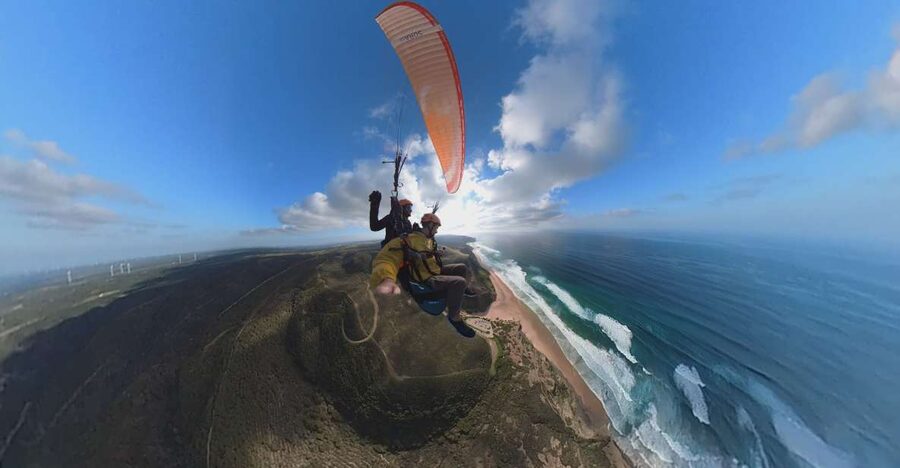
Paragliding in the Algarve runs on wind and timing, not your schedule. So the biggest “gotcha” is that this experience can shift day to day.
Here’s what to expect in plain terms:
- You don’t pick one fixed launch location far in advance.
- The operator confirms your meeting point and time the day before, after 7 PM, because wind direction and intensity determine where you’ll fly.
- The flight area can range from Lagos to Vila do Bispo.
That flexibility is annoying only if you treat your trip like a rigid checklist. If you plan this for your first day in town, you give yourself breathing room. If conditions aren’t ideal, you can try again when the sky cooperates.
One more practical point: you might wait. The schedule can include up to three hours of waiting for the perfect moment. This isn’t wasted time if you treat it like part of the experience. Use it for photos, watch the coastline, and soak up the energy at the launch spot. But do plan your day around that reality.
From your confirmed meeting point to gear fitting
On the day before your flight, you’ll get a message with the confirmed meeting location and start time. The timing window is intentionally late—after 7 PM—because weather conditions are assessed closer to launch.
When you arrive at the site, you’ll meet your instructor, Nelson, a paraglider enthusiast who’s there to help you enjoy the ride safely. This is one of those details that changes the mood fast. Instead of feeling like you’re dealing with a “sport sales pitch,” you’re dealing with someone who lives and breathes the sport.
Next comes the part you’ll be glad you took seriously:
- Briefing: how paragliding works, the basic principles of flight, and what to expect
- Gear setup: you’ll be equipped with the necessary equipment, then adjusted for comfort and safety
Because this is a pedagogical flight, the goal isn’t just to get you airborne. It’s to help you understand what you’re seeing. That makes the experience feel less mysterious and more like controlled freedom.
The preparation briefing that calms first-time nerves
Before takeoff, you’ll get a pedagogical introduction to paragliding. That means you won’t just be told “don’t worry.” You’ll learn enough to connect your sensations to what’s happening.
I love this approach for first-timers because it reduces the mental chaos. When you understand that you’re gliding, not free-falling, the feeling becomes more manageable. When you know there’s a plan for how the flight will unfold and how the landing will happen, your brain stops searching for threats.
If you’re anxious, here’s what helps most:
- listen closely during the briefing
- ask any questions you genuinely have before your gear is finalized
- trust that your pilot is running the operation while you focus on being present
Also, it helps that the group is small—limited to 2 participants. That smaller setup tends to lead to quieter prep time and more individualized attention.
Takeoff: the moment that feels like a switch flips
Then comes takeoff. This is the part people fear the most, and also the part they usually remember best.
The experience description notes that takeoff can vary slightly depending on your body weight. That’s a normal and sensible detail. It’s also a reminder that this isn’t “one-size-fits-all.” Your pilot adjusts the setup and timing so your launch matches the conditions.
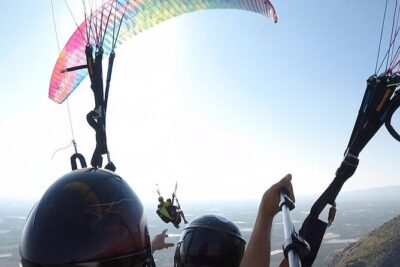
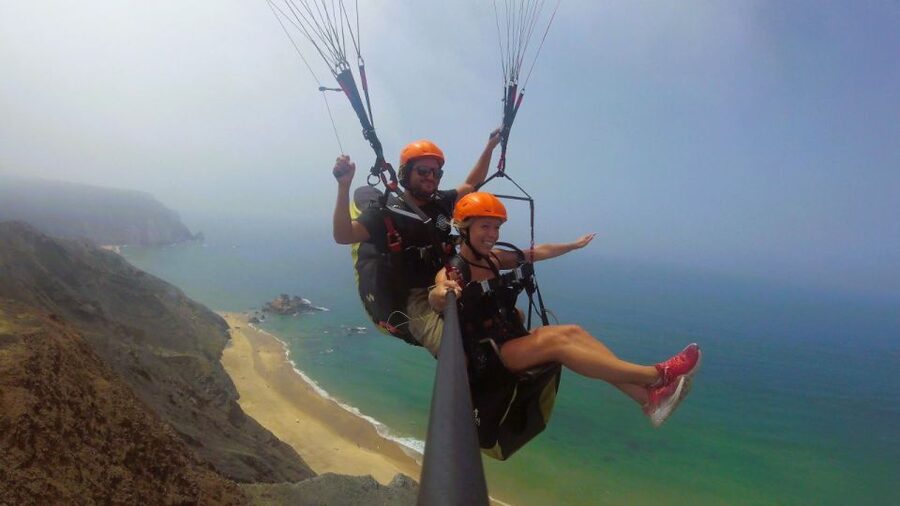
What you’ll feel at the start is a burst of motion, followed by the quick settling into a glide. That transition can happen fast. If you’ve never felt it, your first thought might be something like, I didn’t realize it would feel this way. Then you start noticing the view, not your fear.
And yes, it can be thrilling in a very physical way. Expect a mix of adrenaline, joy, and calm. The calmer piece is important: as you get higher and the wing stabilizes, the ride often becomes more serene.
15 minutes above the Algarve: what you’ll actually see
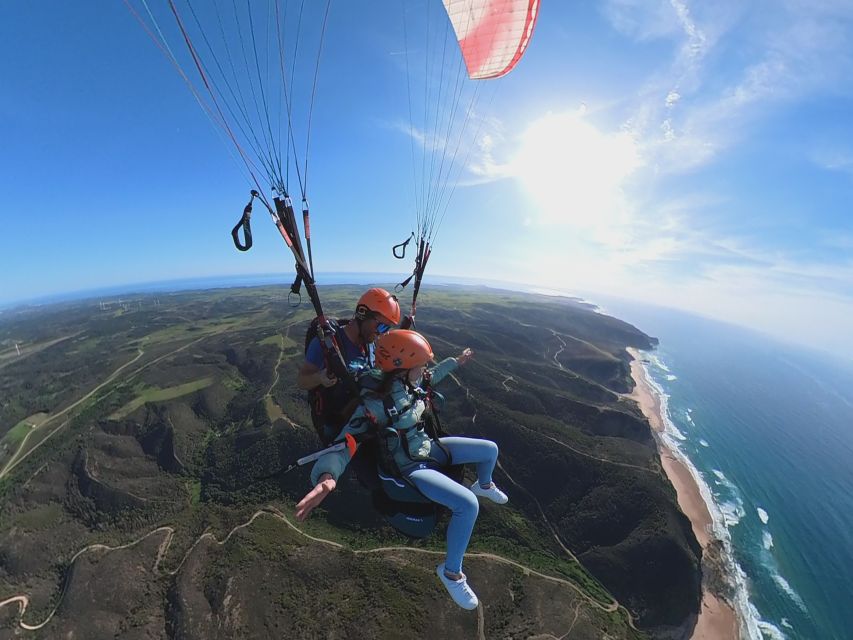
The flight itself is short in clock time—15 minutes—but long on impact. This is the sweet spot for people who want a big experience without spending the whole day committed to one activity.
From above, you’ll notice:
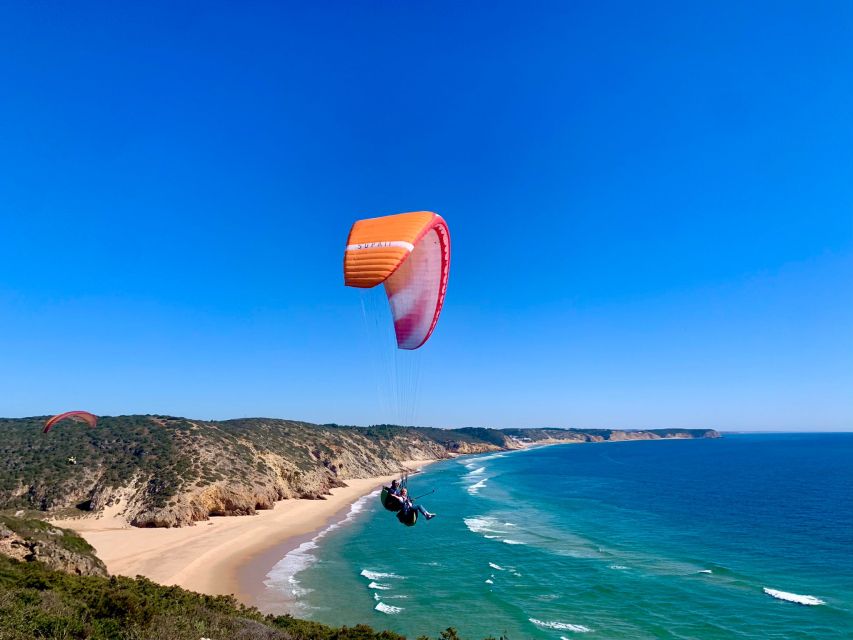
- white sand beaches
- multi-color Mediterranean water (those different shades look even better from the air)
- red cliffs that create strong lines and dramatic edges against the sea
As you glide along the coastline, you get that bird-like perspective: the coastline shapes become clearer, the colors separate, and the ocean texture looks like a pattern instead of a flat surface.
One thing I’d encourage: don’t spend all your time staring at one spot. Look left, then right, then back forward. Give your eyes a few “beats.” You’ll get more out of those 15 minutes than if you just lock onto one thought.
Landing: smooth, controlled, and surprisingly satisfying
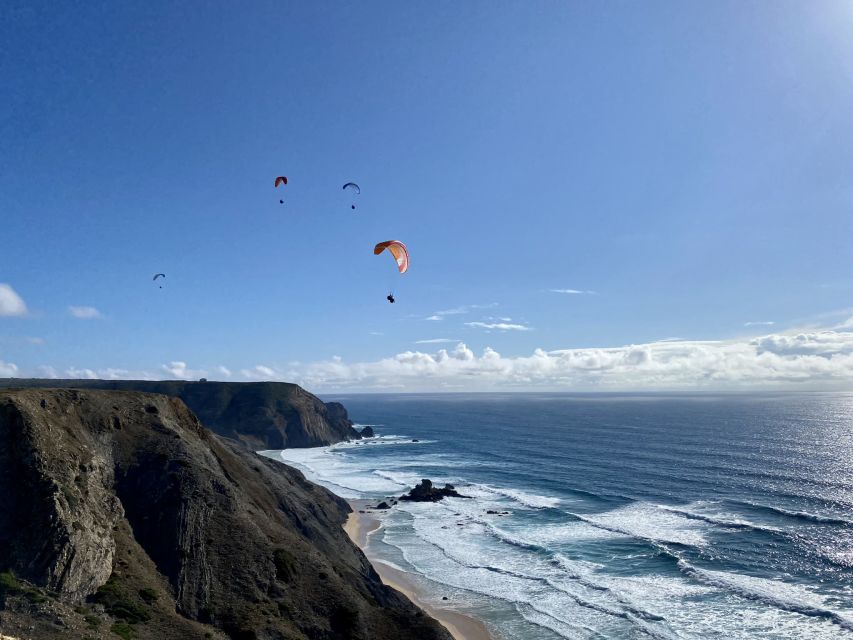
Landing is where a lot of adventure activities either feel reassuring—or make you regret the decision. Paragliding landing tends to be smooth when the pilot is experienced, and that’s exactly what Nelson’s approach is designed to deliver.
The experience is set up to return you to the ground with a smooth landing. Once you’re back on solid earth, it often hits you that the session was short—but the memory is not. You’ll likely start thinking about flying again.
That reaction shows up for a reason: the shift from being in the air to being down on the ground is dramatic. It’s like snapping from a film scene back into real life, except you’re holding proof your feet actually stood on Portuguese soil a few minutes ago.
Optional GoPro and Insta360: making the memory replayable
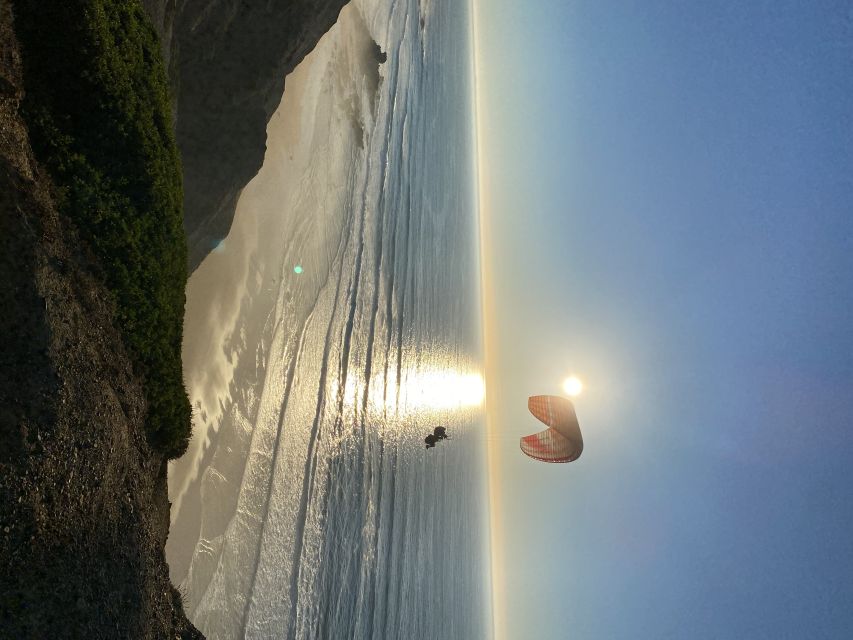
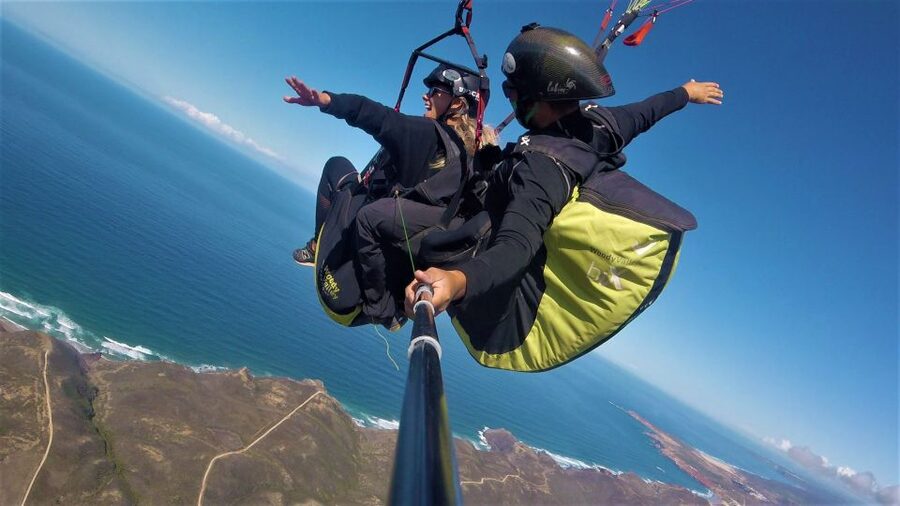
If you want a camera angle that feels like flight, you can contact the provider about GoPro and Insta360 video service.
This is worth considering for two reasons:
- It’s hard to capture paragliding properly on your own. In the moment, you’re focused on stability, breath, and instruction.
- Video lets you rewatch the colors and motion when the adrenaline fades.
Based on the strong enthusiasm for 360 footage, I’d treat it as a “buy once, rewatch forever” type add-on. If you love visual souvenirs more than postcards, this one makes sense.
What to wear (and what to avoid) so you feel comfortable
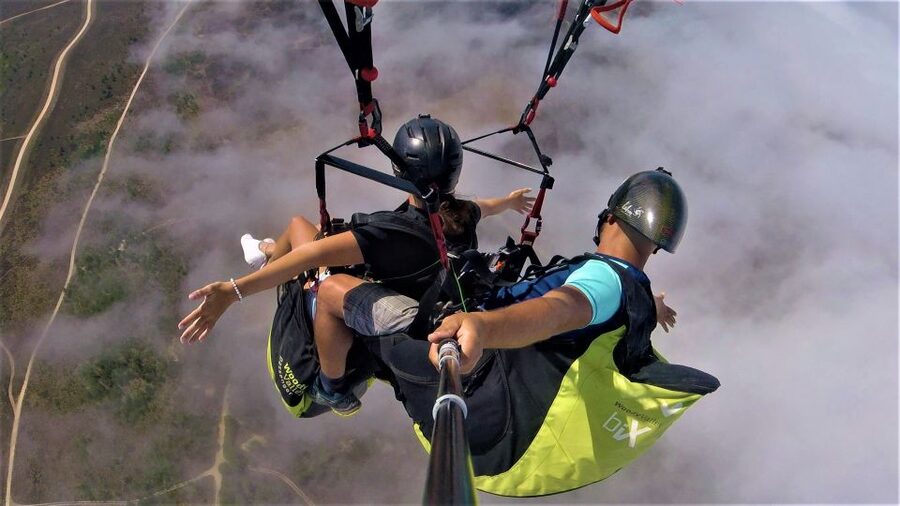
Packing for paragliding is mostly about comfort and safe footwear.
Do bring:
- comfortable shoes
- sunglasses
- comfortable clothes
Not allowed:
- sandals or flip flops
- alcohol and drugs
- open-toed shoes
A jacket is also a smart call. Even in coastal Algarve weather, airflow can cool you once you’re up and gliding.
And food matters. The guidance says it’s recommended to have a light meal or an empty stomach. Also, alcohol before the tour isn’t recommended.
If you’re the type who runs on coffee and nerves, try to keep it light. You’ll enjoy the briefing more, and you’ll feel better waiting around for the ideal takeoff.
Price and value: is $148 worth it?
At $148 per person, you’re not buying a bargain thrill. You’re paying for:
- an instructor/pilot guiding the full flight
- the paragliding equipment
- a weather-dependent experience that sometimes requires hours of waiting
- a small-group setup that limits distractions and keeps supervision closer
The value isn’t in “lots of time in the air.” It’s in the fact that you’re getting a guided, safety-first first flight over one of the Algarve’s most photogenic coastlines. If you’ve ever watched a paragliding clip and wondered what it feels like to be the person under the wing, this is the direct way to find out.
Also, there’s flexibility: the operator’s structure confirms timing based on wind. That means you’re buying an experience that’s designed to be flyable, not just scheduled.
If budget is tight, I’d treat this as a priority activity—especially if you’re visiting for a short time and want one “big sky” moment.
Who this paragliding flight fits best (and who should skip it)
This is ideal if:
- you’re a first-time flyer and want instruction, not guesswork
- you like coastline views and want them from above
- you want a short flight that still feels like a major memory
It’s not suitable for:
- pregnant women
- people with back problems
- people with mobility impairments
- wheelchair users
- people with epilepsy
- people under 99 lbs (45 kg)
- people over 209 lbs (95 kg)
- people with recent surgeries
If you fall into any of those categories, don’t try to “make it work.” Paragliding requires safe physical positioning and stability, and the operator is clear about restrictions.
Choosing your day: how to plan around the waiting
Because you only get exact timing and meeting point the day before (after 7 PM), plan like a realist.
If you schedule this early in your trip:
- you can adjust other plans
- you give the sport room to win
Even with flexible booking and free cancellation (where offered), the key strategy is simple: build slack into your schedule. Waiting up to three hours can happen, and you’ll enjoy it more if you’re not stressed about missing dinner or your next bus.
Final call: should you book the Algarve paragliding experience?
If you want a first-time paragliding flight that takes safety seriously, offers clear instruction, and gives you serious coastline views for 15 minutes in the air, then yes—you should strongly consider booking.
I’d say go for it if your schedule has flexibility and you can handle waiting for weather. Skip it if you need a guaranteed exact launch time, or if you fall outside the stated physical suitability guidelines.
If you’re torn, here’s my rule of thumb: if you can schedule this for your first full day in Algarve and you’re comfortable following outfit and safety instructions, this is the kind of experience that pays off fast—and lasts long after the adrenaline fades.
FAQ
How long is the paragliding flight?
The flight duration is 15 minutes. You may need to wait longer before takeoff depending on weather conditions.
When will I find out the meeting point?
The activity operator contacts you the day before your flight after 7 PM to confirm the meeting location and time.
Where will we launch from?
Depending on wind conditions, the flight location can range from Lagos to Vila do Bispo.
What’s included in the price?
It includes the pilot and the flight equipment.
How big is the group?
The experience is a small group limited to 2 participants.
What languages will the instructor speak?
The instructor speaks Portuguese and English.
What should I wear or bring?
Wear comfortable clothes and comfortable sneakers, and bring sunglasses. A jacket is also helpful.
What is not allowed?
Sandals or flip flops and open-toed shoes are not allowed. Alcohol and drugs are not allowed.
Is this suitable for everyone?
It’s not suitable for pregnant women, people with back problems, mobility impairments, wheelchair users, epilepsy, people under 99 lbs (45 kg), over 209 lbs (95 kg), or people with recent surgeries.