REVIEW · CHAMONIX MONT BLANC
Chamonix: Tandem Paragliding Flight with Mont-Blanc Views
Book on GetYourGuide →Operated by Kaïlash Parapente · Bookable on GetYourGuide
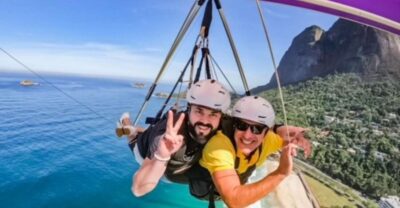
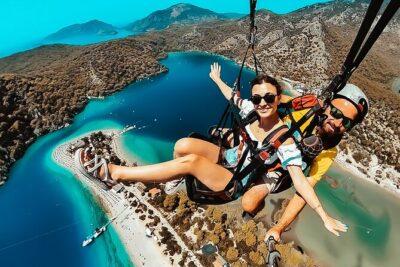
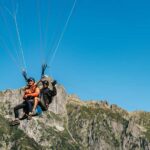
Floating above Chamonix feels unreal. I love the Mont-Blanc views you get from a harnessed, tandem setup, and the way the 20-minute flight turns first-timers into active sky participants. One catch: the main flying time is short, so you’ll want to treat the day like a whole experience, not just the minutes in the air.
This is built for a wide range of people, from age 5 to 100, and it’s run as a private group with an instructor who stays with you step by step. If you’re flexible about timing and want either calm or adrenaline, it’s a very good value for Chamonix.
In This Review
- Key Things That Make This Flight Worth It
- Planpraz Gondola: Where Your Tandem Flight Begins
- Harness, Helmet, and Coaching: The Safety Brief That Actually Helps
- The Takeoff Run Over Chamonix Valley: What to Expect
- 20 Minutes in the Air: Views of Mont-Blanc That Feel Close Enough to Touch
- Optional In-Air Acrobatics: How to Ask for Thrills Without Losing Control
- Who’s Flying You: Pilot Skill and the Reassurance Factor
- Equipment, Weather, and the Truth About Timing
- Price and Value at $187: What You’re Really Paying For
- Best Fit: Who This Tandem Flight Works For
- Should You Book This Tandem Paragliding Flight in Chamonix?
- FAQ
- How long is the flight?
- Where do I meet the pilot?
- What are the age and weight limits?
- Is the lift ticket included?
- What should I bring?
- Are GoPro photos or videos included?
Key Things That Make This Flight Worth It
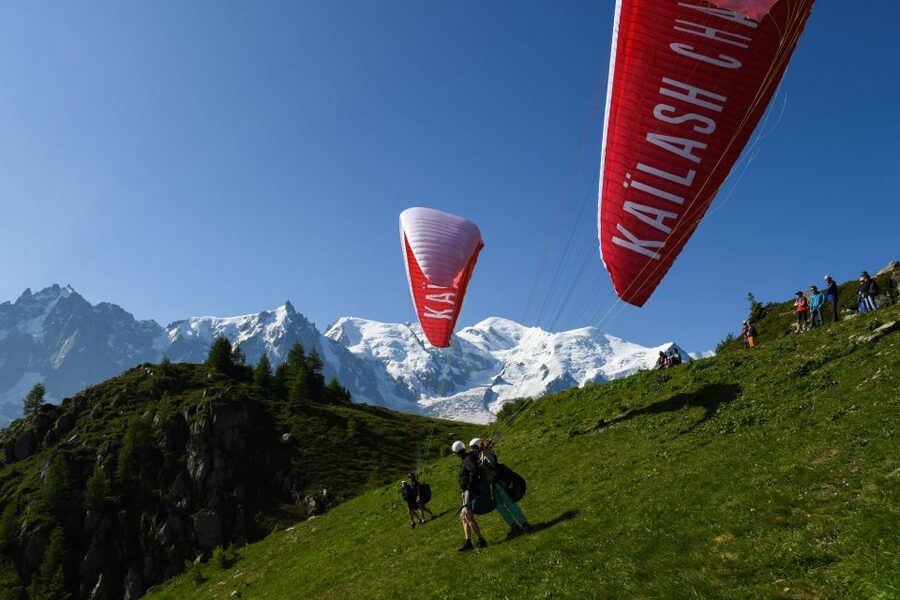
- Takeoff coaching from a gentle slope: you run a few steps, then the wing lifts you as your pilot calls the shots.
- Real instruction during the flight: you get tips on piloting basics, not just a passive ride.
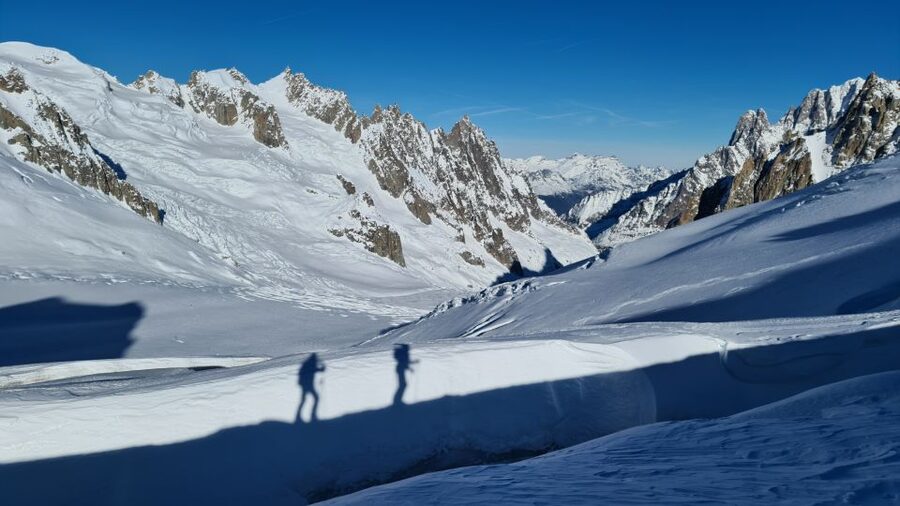
- Mont-Blanc views in a new dimension: the valley and peaks look totally different from above the treeline.
- Optional acrobatics when you want more: turns and in-air tricks are offered if your stomach says yes.
- Reassuring pilots with recognizable names: guides like Francis, Ivan, Leatita, Eric, Sebastian, David, Oliver, and Patrick come up again and again in the fly-with-me feedback.
Planpraz Gondola: Where Your Tandem Flight Begins
Your day starts at Planpraz Gondola. The meeting point is in front of the site map for Planpraz/Brévent, between the cash desk and the departure gates, where you’ll meet your pilot. It’s an easy start once you orient yourself, and it helps that this activity is clearly tied to the Planpraz/Brévent area.
From there, expect a setup rhythm rather than a chaotic rush. You meet your instructor, then you get fitted with your harness and helmet before anything happens. I like this approach because it removes the guesswork. You’re not trying to figure out gear or body position on the fly.
One practical note: tickets for the lift to get you up are not included. A couple people mention paying for the lift pass separately, so budget time and money for that part of the plan.
Harness, Helmet, and Coaching: The Safety Brief That Actually Helps
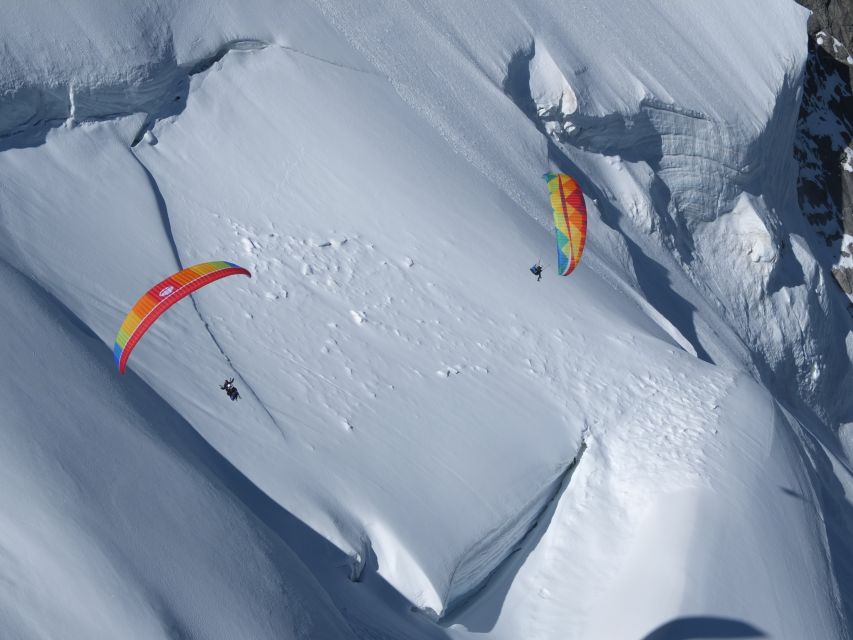
This is tandem paragliding, which means one of the biggest comfort wins is simple: your pilot handles the wing and the real flying decisions. Your job is mostly to stay relaxed, follow instructions, and communicate what you want in the air.
Before takeoff, you’ll get help with every step. You’ll listen to coaching carefully until you’re ready to go. Guides are repeatedly praised for reassuring people who feel nervous at the start, including first-timers who expected the takeoff to be scarier than it turned out.
You’ll also get some pilot training as part of the flight. That’s the best part if you like learning while you do something thrilling. Instead of just riding, you can pick up small steering cues and understand what the wing is doing up there. People specifically mention being taught how it works and even getting brief control moments, depending on the pilot and what you ask for.
The instructor languages are French and English, and the experience is offered in a private-group format. That matters for first-timers because you can ask questions without feeling rushed.
The Takeoff Run Over Chamonix Valley: What to Expect
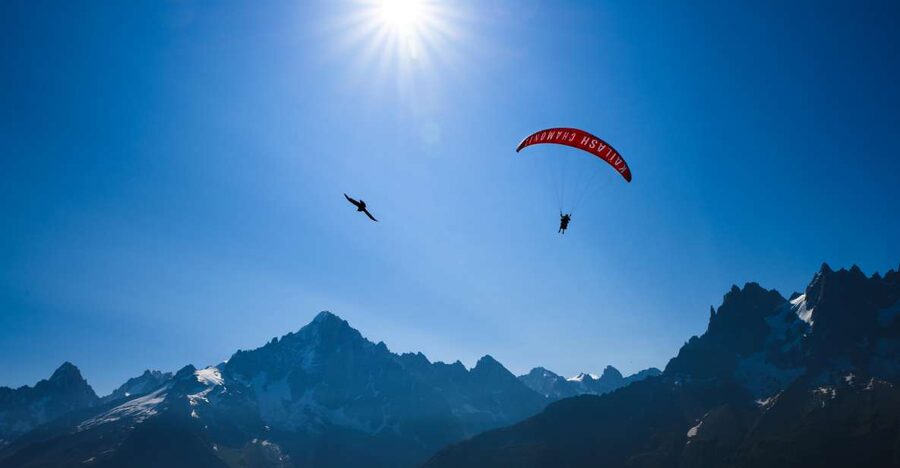
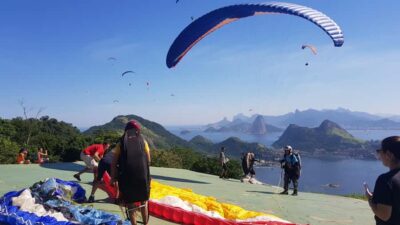
Then comes the moment you’ve been waiting for. Your takeoff location sits high above the Chamonix valley, and you’ll go there with your instructor. At the launch, the process is straightforward: you run a few steps on a gentle slope facing Mont Blanc, then the wind lifts you.
What you want here is calm body language. When people describe it as smooth, they’re usually pointing to good coaching, not some magic trick. If you follow the instructions and keep moving at the right time, it tends to feel like the wing catches you quickly.
You’ll likely feel a little nervous right before takeoff, especially if you’ve never been in open air like this. The feedback you get from the pilots is that they keep things reassuring and controlled. Several guides are noted for making the experience feel safe and for explaining what to do step by step right up to launch.
Also, expect some light turbulence now and then. It’s normal mountain-weather stuff, and it doesn’t mean things are unsafe. You just experience the mountains the way they actually feel: changeable, alive, and real.
20 Minutes in the Air: Views of Mont-Blanc That Feel Close Enough to Touch
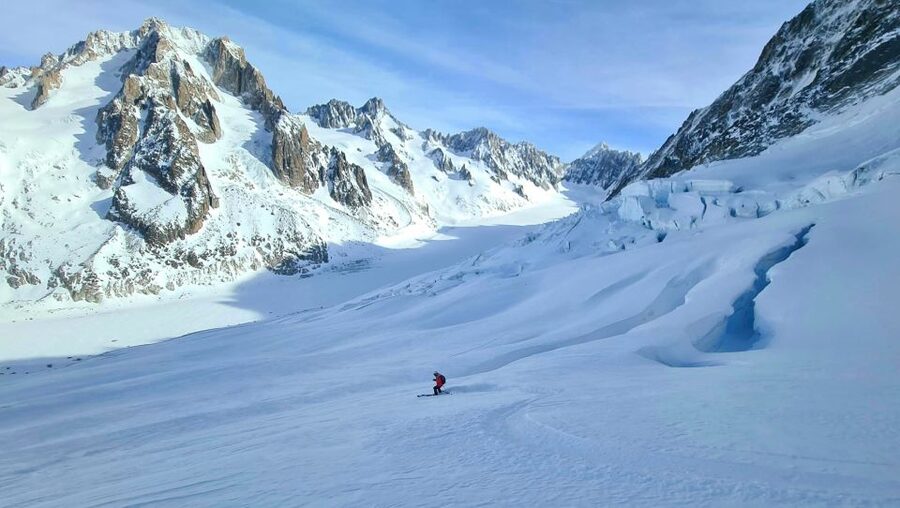
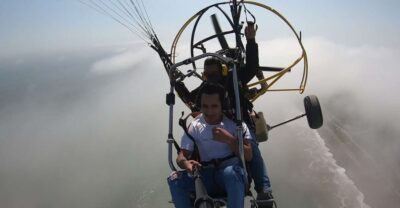
The flight duration is about 20 minutes, even though the overall activity is listed as 1 hour. That split is important. The actual airborne time is the highlight, but the rest of the hour is for gearing up, walking up, briefing, and getting ready.
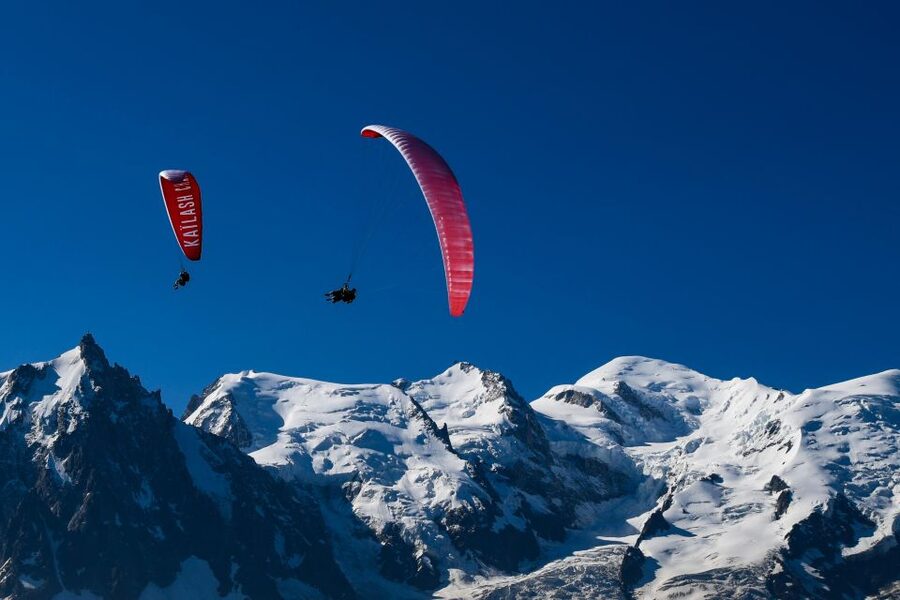
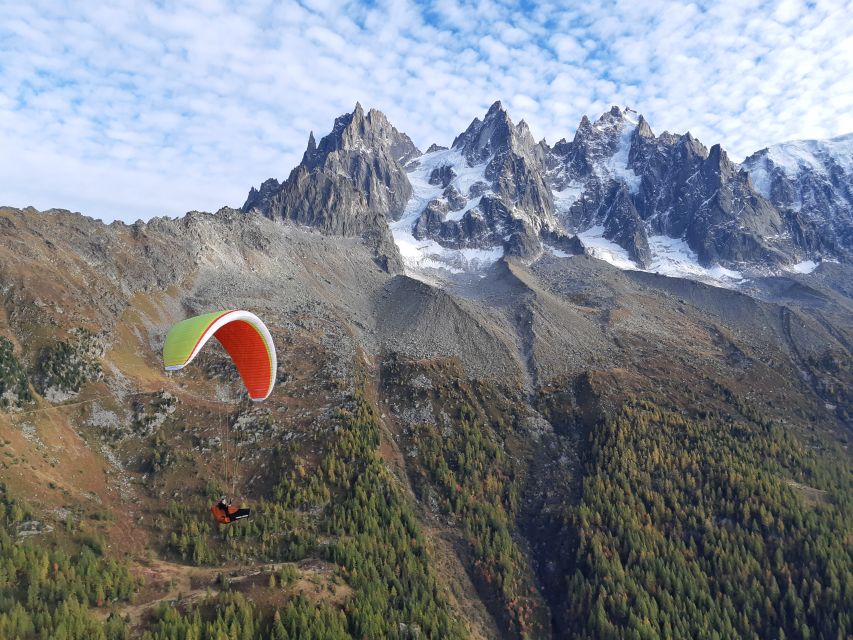
Once you’re flying, the valley view hits fast. Chamonix looks like a map from above, with the shape of the terrain suddenly obvious. Then your attention shifts upward to the Mont-Blanc massif, which is the star of the show. From a paraglider, you don’t just look at mountains; you float alongside them, with a sky-to-rock scale that feels different than any viewpoint on the ground.
If you’re hoping to feel involved, this is where the instruction really pays off. People mention being coached on basic piloting and being allowed to steer at least for a bit. Even if you stay mostly hands-off, understanding what your pilot is doing changes the experience from scary to satisfying.
Bring sunglasses and expect bright light. The altitude and open sky make glare more intense than you’d think at the ground. Comfortable shoes also matter because you’re wearing gear and moving a bit before the flight.
Optional In-Air Acrobatics: How to Ask for Thrills Without Losing Control
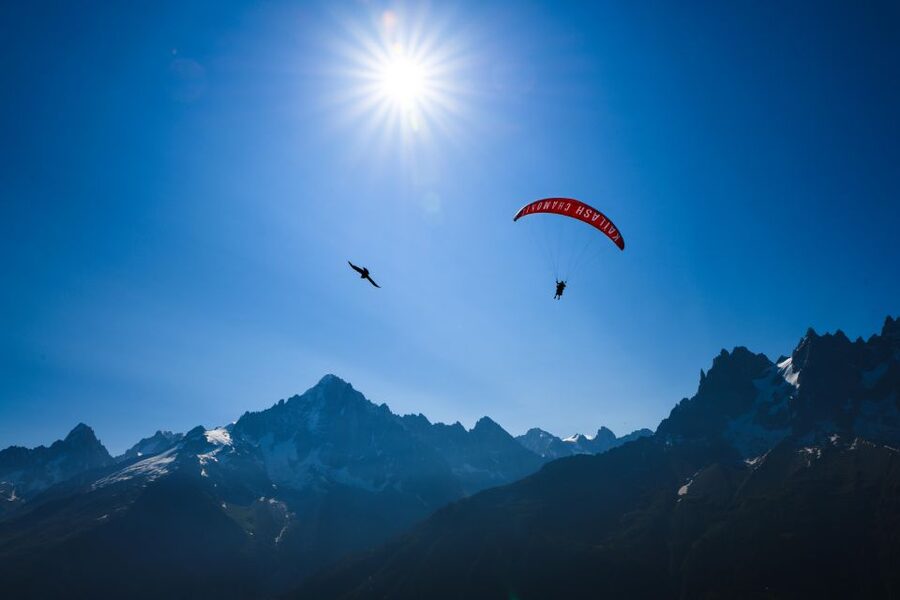
Here’s the fun fork in the road: you can choose how much adrenaline you want. In the air, there’s an option for in-air acrobatics before landing. If you want calm cruising, pilots can keep it smooth. If you want a roller-coaster sensation, you can tell your instructor and they’ll adjust your maneuvers.
This is where the “family-friendly” reputation makes sense. It’s not about forcing tricks on everyone. It’s about offering options and letting your pilot match the flight to your comfort level. Several people mention moments like sharp turns, 360s, and playful aerobatics.
You’ll feel these moves more than you’d on a simulator. The good news is that it’s still tandem flying with an expert pilot doing the heavy lifting. Your part is simply to enjoy and react the way you were coached.
One smart tip: if you want acrobatics, be clear before the flight starts. If you mention you like intense rides, pilots may reflect that in how they plan the in-air segment. If you’re nervous, tell them that too. The guides have experience calming people down and scaling thrills to fit.
Who’s Flying You: Pilot Skill and the Reassurance Factor
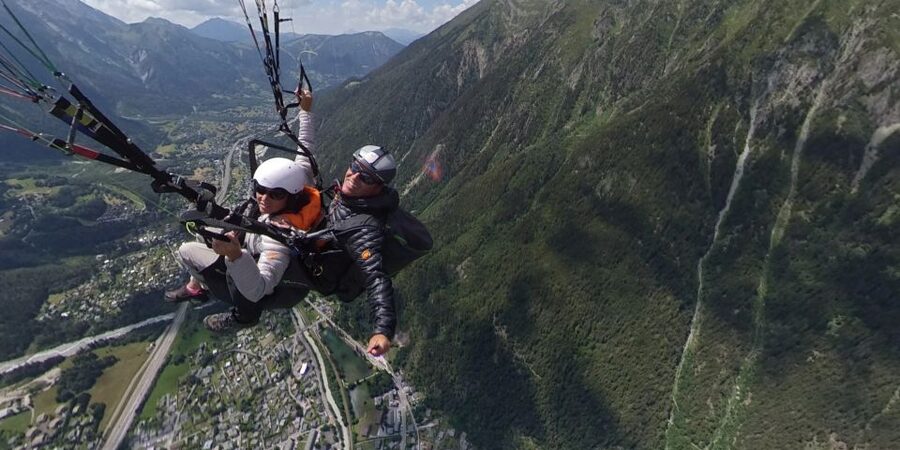
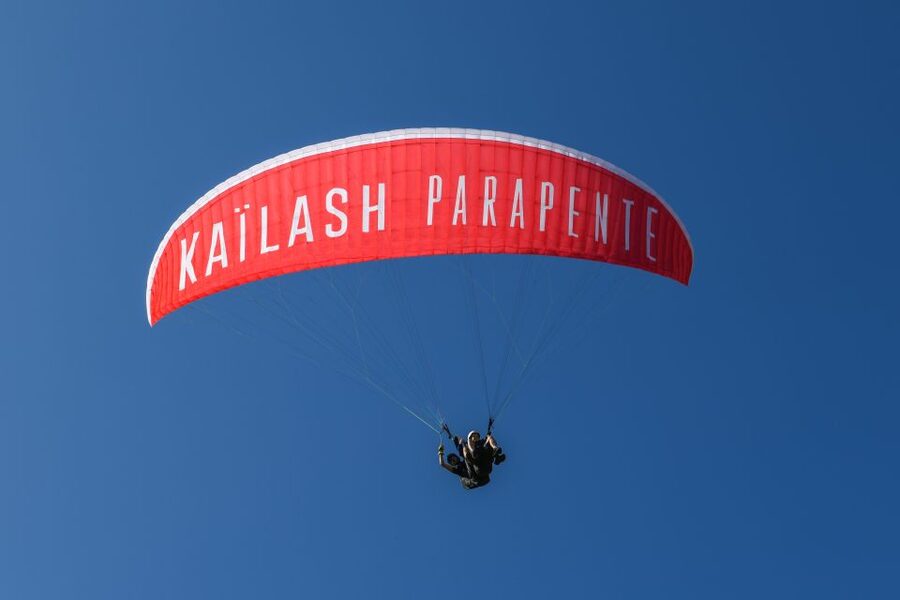
A big part of why this experience earns such high marks is the tone of the pilots. Multiple guides show up by name in the feedback, including Francis, Ivan, Leatita, Eric, Sebastian, David, Oliver, Hugo, Fred, Patrick, and Laetitia/Leticia. That doesn’t guarantee your assigned pilot, but it does show the standard of instruction you can expect from Kaïlash Parapente.
What you’re listening for is not just technical confidence. You want the kind of coaching that makes your body understand what your brain doesn’t yet trust. Many people specifically call out that they felt safe and at ease, and that the takeoff and landing felt smooth.
You can also count on the pilot to personalize the flight. One rider notes that the experience felt tailored to what they wanted to see and do. Another describes a guide who let them pilot for a time before taking over for tricks.
So here’s the bottom line I’d pass to you: pick your pilot’s vibe. If you’re the type who likes calm explanations, you’ll get it. If you want action, the pilots are happy to work that in when appropriate.
Equipment, Weather, and the Truth About Timing
Paragliding is weather-dependent by nature. Your flight will happen when conditions allow safe takeoff and stable air. That’s why the overall experience is scheduled for 1 hour even though your airborne time is about 20 minutes.
I also recommend building a small buffer into your day. A couple people mention waiting when plans ran later than expected due to timing at the lift or operation that day. That doesn’t mean the whole system is unreliable, but it does mean you shouldn’t schedule something critical immediately after your flight without margin.
What you can control: wear the right clothes and plan for mountain air. Bring a jacket even if the forecast says it might be mild. The open-air portion can feel cooler than you expect once you’re up above the valley.
Price and Value at $187: What You’re Really Paying For
At $187 per person, you’re paying for more than a ticket to the sky. You’re paying for tandem equipment, an instructor, and pilot training during the flight. You’re also paying for the extra value of optional acrobatics being part of the experience design.
That package can be strong value compared with activities where you only get a short thrill with no instruction. Here, you leave with a sense of how paragliding works, even at a basic level. If you’re someone who likes to learn while you do, you’ll feel that value quickly.
Just budget for extras. The lift tickets to reach the launch area are not included. One person mentions the lift pass costing about €18. Also, there are optional GoPro photos and videos for an additional fee. One rider calls out a price of about €30 for the video/photo add-on.
So the best way to think about cost is simple:
- Your main price covers the flight experience with instructor support.
- Your budget should also cover getting up to the launch.
- If you want proof of the day, plan for the optional photo/video package.
Best Fit: Who This Tandem Flight Works For
This is a rare activity that genuinely scales from calm to adrenaline. It’s open to people from age 5 to age 100, and it has a weight limit of 287 lbs (130 kg). If you’re within those limits, you’re basically in the right zone.
It’s also a good first-paragliding choice. You’re tandem with instruction, you wear harness and helmet, and you start with a coached run before you’re flying. The experience is designed so you can be a nervous beginner and still have a great time.
If you’re an adrenaline seeker, you’ll likely enjoy the optional acrobatics. People mention crazy tricks, roller-coaster-style movements, and 360s. If you like the idea of being challenged, tell your pilot what you want, and they’ll aim for the flight style that matches you.
Should You Book This Tandem Paragliding Flight in Chamonix?
If you want one high-impact, view-heavy activity in Chamonix, this is a very sensible pick. You get Mont-Blanc views from the sky, real in-flight coaching, and an instructor who keeps the whole process controlled. The only reason not to book is if you only care about the flying minutes and can’t handle a longer setup day where the air time is about 20 minutes.
If you book, do it with this mindset: treat it as a guided experience from harness to landing. Wear comfortable clothes and shoes, bring sunglasses and a jacket, and set expectations with your pilot about how thrilling you want it to be. Then get ready for that moment when the mountains stop being scenery and start being your backdrop at arm’s length.
FAQ
How long is the flight?
The flight portion is about 20 minutes.
Where do I meet the pilot?
Meet your pilot at Planpraz Gondola in front of the site map of Planpraz/Brévent between the cash desk and the departure gates.
What are the age and weight limits?
It’s not suitable for children under 5 years old. The maximum weight is 287 lbs (130 kg).
Is the lift ticket included?
No. Tickets for the lift are not included, so you may need to buy a lift pass separately.
What should I bring?
Bring comfortable shoes, sunglasses, a jacket, and comfortable clothes.
Are GoPro photos or videos included?
No. GoPro photos and videos are optional and cost extra.