REVIEW · LANZAROTE
Lanzarote: Tandem Paragliding Flight Over Lanzarote
Book on GetYourGuide →Operated by Abubila Paragliding Lanzarote · Bookable on GetYourGuide
You’ll feel weightless over Lanzarote. I love the sense of freedom you get when a paraglider lifts off, and I also love how the flight turns Lanzarote’s coast and volcano-fed scenery into something you can really see from above. It’s a tandem experience, so you’re not worrying about controls. You’re just watching the island unfold beneath you.
One thing to plan for: no hotel pickup and the exact meeting point/time can shift based on wind. The operator will confirm where you meet the day before, and you’ll want to leave the whole day open and have your own car.
In This Review
- Key things to know before you fly
- Tandem Paragliding Over Lanzarote: What it’s actually like in the air
- Choosing the relaxed flight versus the Rollercoaster option
- Price and value: Is $136 for 25 minutes reasonable?
- Where you meet, what to bring, and why timing matters
- From briefing to lift-off: what your 25 minutes likely includes
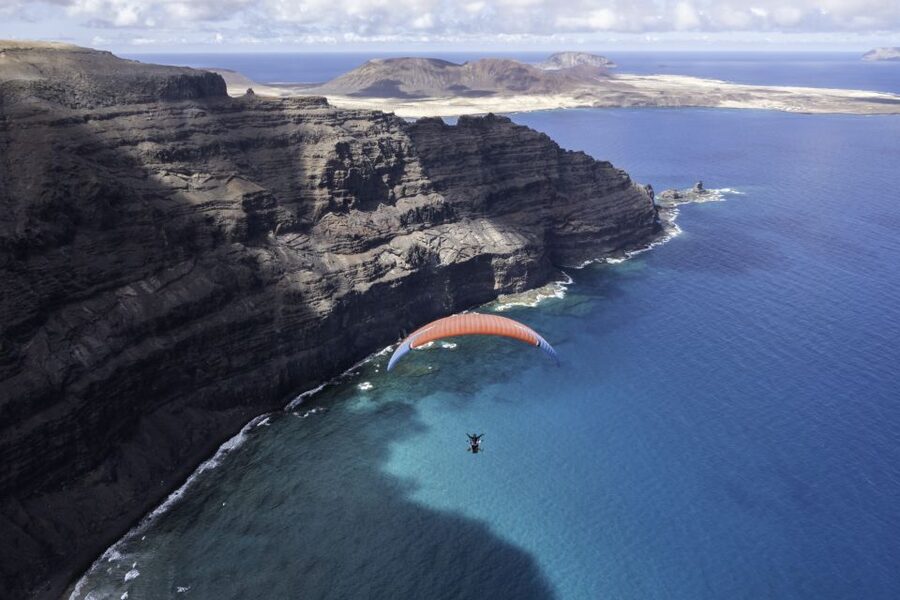
- Seeing Lanzarote from above: volcanic geometry, ocean edges, and real scale
- The team, the vibe, and why small groups feel better
- Who this flight suits best (and when to skip it)
- First-timer tips that make a big difference
- Should you book this tandem paragliding flight over Lanzarote?
- FAQ
- How long is the tandem paragliding flight over Lanzarote?
- How much does the experience cost?
- Is hotel pickup included?
- Where do we meet for the flight?
- Do I need any prior paragliding experience?
- What language options are available for the instructor?
- Is this a private or small group experience?
- What should I bring to the meeting point?
- What flight options are available?
Key things to know before you fly
- Tandem paragliding means you relax while your pilot steers throughout your flight
- Two flight styles: a relaxed, gentle option or a more intense Rollercoaster option with advanced maneuvers
- 25 minutes in the air gives you a real taste of paragliding without eating your whole day
- Small groups (up to 10 people) keep things calm and personal
- Meeting point depends on wind, so flexibility and a car make the day easier
Tandem Paragliding Over Lanzarote: What it’s actually like in the air
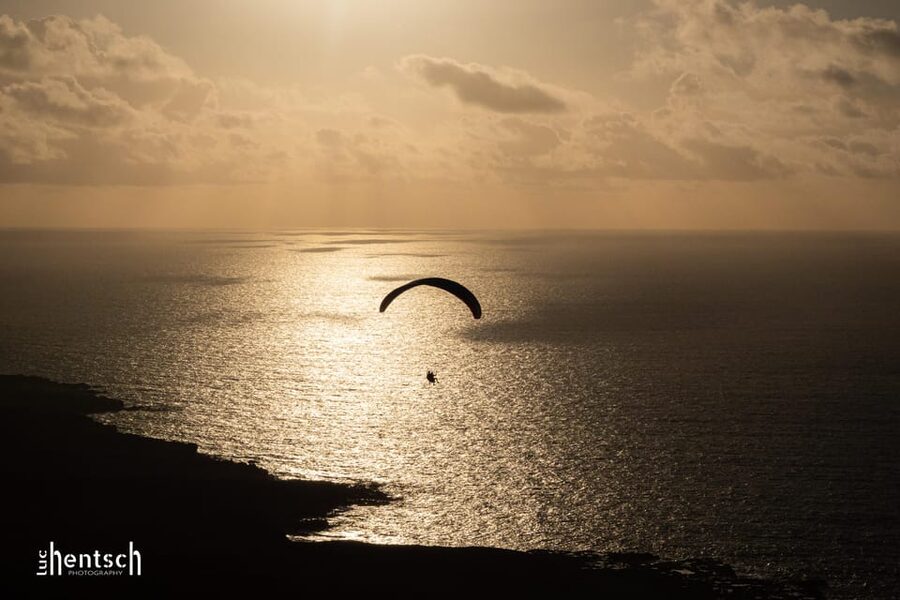
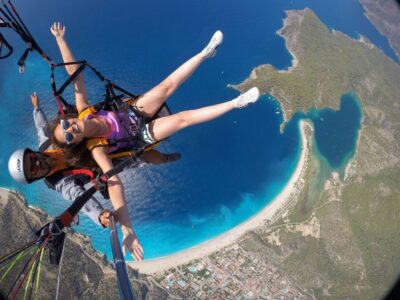
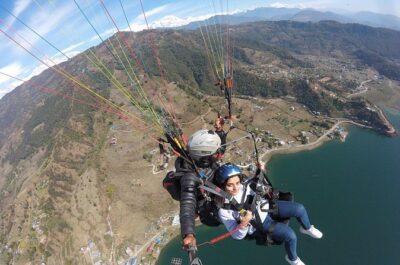
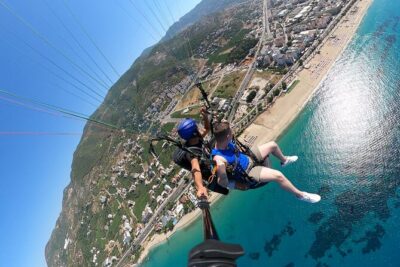
Paragliding sounds dreamy, but what you’ll remember is the physical change: the moment the air catches you, everything slows down. You feel light, then smooth, then suddenly you’re gliding above the ocean and Lanzarote’s volcanic terrain. Since this is tandem, your pilot takes the steering duties, so the experience is less about learning and more about enjoying.
I like that the flight doesn’t require prior experience. That matters here because it keeps the pressure off. You can focus on simple things: breathing, staying comfortable, and looking for the details below. From above, you’ll understand why people come to Lanzarote for its geology—the patterns look almost designed, from lava flows to the way the coastline meets the sea.
Also, the vibe is very “do it once and get it out of your system.” One review described it as a top birthday experience, which makes sense. When you’re up there, it feels like a big moment, not a checkmark.
Choosing the relaxed flight versus the Rollercoaster option
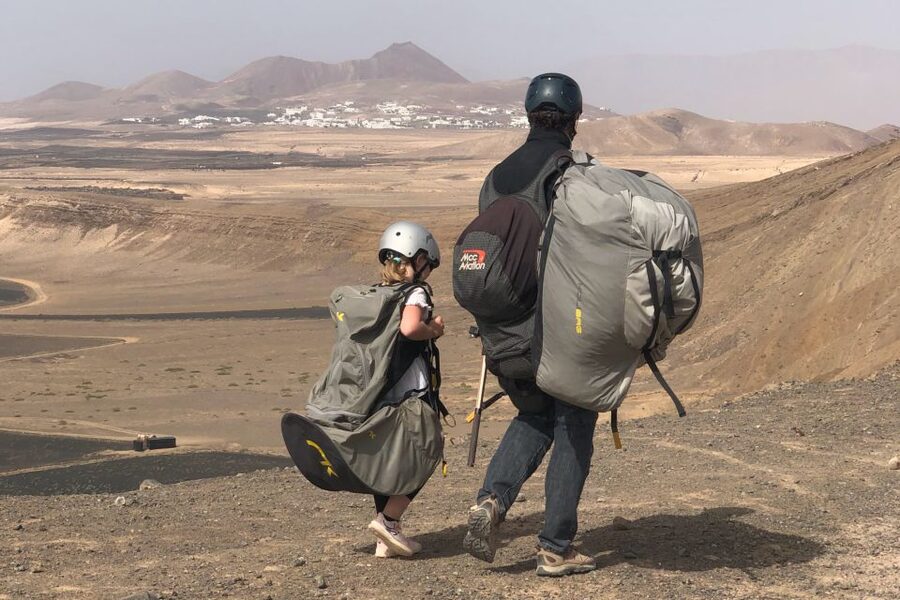
This experience comes with two different ways to fly, and that choice is part of the value.
The standard option is the relaxed, gentle flight. If you’re new to flying, this is the one that keeps things comfortable. You’ll still get the aerial view and the sense of freedom, but you’re not trying to out-brave the wind or chase thrills.
The Rollercoaster option is for people who want more. It includes advanced maneuvers, so expect more movement and more adrenaline. This is a good match if you already like active experiences—things like roller coasters, fast boat rides, or any activity where you enjoy the “hold on” feeling (without actually having to do the hard work).
My practical advice: if you’re unsure, pick the relaxed option. You can always add intensity later on another trip. The joy of tandem paragliding is the view plus the feeling of flight—both options deliver that.
Price and value: Is $136 for 25 minutes reasonable?
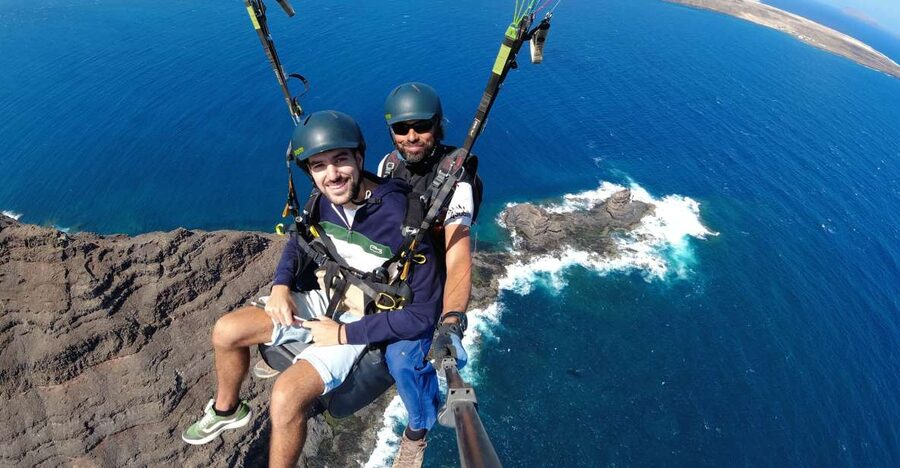
At about $136 per person for a 25-minute flight, you’re paying for a professional pilot, the gear, and the time to fly in proper conditions. That’s not “cheap,” but it is also not overpriced for what you’re buying: a rare aerial view over a specific island, with zero experience required.
Here’s why it feels like good value:
- You’re getting a guided flying experience, not just a ticket to show up.
- The group is capped at 10 participants, which usually means more attention and smoother coordination.
- You can choose between comfort and thrills, so you’re not stuck with the wrong intensity level.
Where it might feel less worth it: if you want a long activity with lots of extra instruction time or a full half-day schedule. This is more like a high-impact highlight. If you only want the shortest possible “experience” day, it works well. If you want hours of activities, you might pair it with something on the ground too.
Where you meet, what to bring, and why timing matters
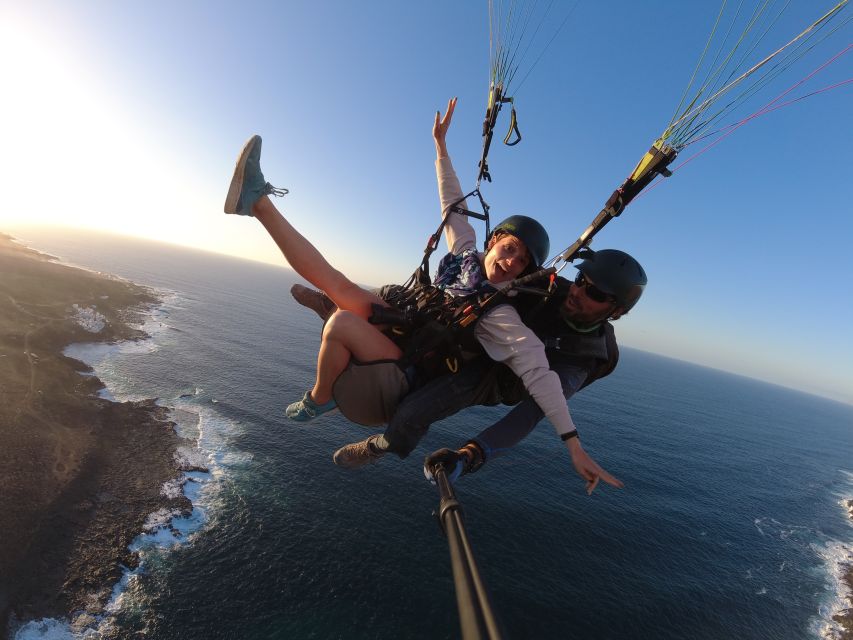
Unlike many tours, there’s no hotel pickup. You’ll need to get yourself to the meeting point. The supplier contacts you the day before to confirm the exact location and time. And here’s the key detail: the meeting point can be anywhere on the island because it depends on wind.
So plan like this:
- Leave the entire day flexible.
- Have your own car if you can.
- Don’t book another “can’t miss” activity right before or after.
The operator will return you to the same meeting point at the end, so you’re not dealing with a complicated transfer across the island.
What to bring is straightforward: a jacket and sports shoes. Even in warmer months, conditions at launch can feel cooler than you expect, and you’ll want stable footing.
From briefing to lift-off: what your 25 minutes likely includes
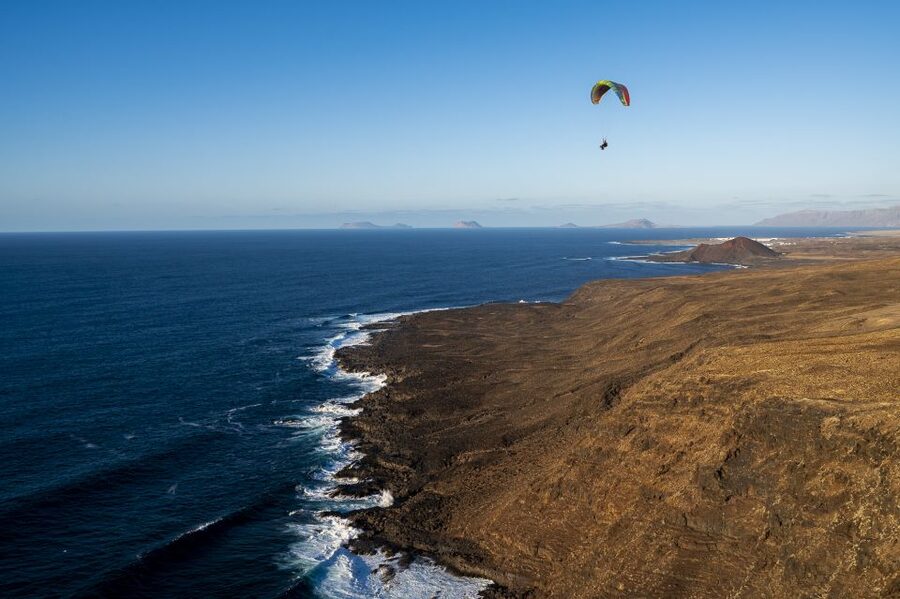
While the exact flow can vary with weather, a tandem paraglider experience usually follows a simple pattern, and this one is designed for first-timers.
You’ll arrive at the meeting point where the team sets up for takeoff. Because there’s no prior experience required, you should get clear guidance on what to do before you’re on the harness and ready to fly. Expect an approach that focuses on comfort and safety rather than technical instruction.
Then comes the heart of it: the lift-off. Once you’re in the air, your pilot handles the steering. Your job is mostly to stay relaxed and look around. This is the part where you’ll notice how the island’s features connect—ocean to coast, volcanic shapes to beaches, and the way wind and elevation affect the view.
You’ll spend about 25 minutes flying. After landing, you’ll head back to the same meeting point to wrap up.
One more practical note: since wind dictates where you meet, the timing you see at booking can change day-to-day. That’s normal for flying activities. If you keep your schedule light, it turns into an easy plan instead of a stress test.
Seeing Lanzarote from above: volcanic geometry, ocean edges, and real scale
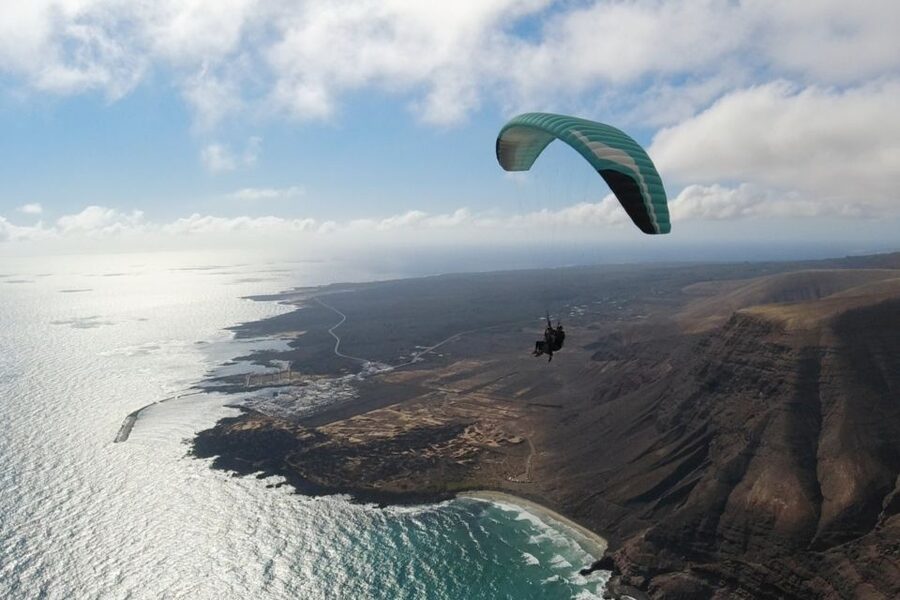
Lanzarote is famous for its volcanic look, but from ground level you get partial views. From above, you get scale.
You’ll fly over varied scenery—think volcanic areas, lava flows, beaches, and the surrounding ocean. The difference is how the lines and shapes read. From the air, lava fields don’t just look rugged; they look patterned, carved by time. Coastlines also look more dramatic, because you can see where the land meets waves and where wind pushes you toward open water.
This is why people keep describing the view as amazing. When you’re flying, it’s not just scenic photography. It’s a “how big is this really?” moment. You’ll also notice how the island’s eastern position in the Canary Islands changes the feel of the light and sea horizon.
If you’re the type who likes to understand a place, this aerial perspective gives you context fast. It helps you connect what you saw on the road with what you’re looking at in the sky.
The team, the vibe, and why small groups feel better
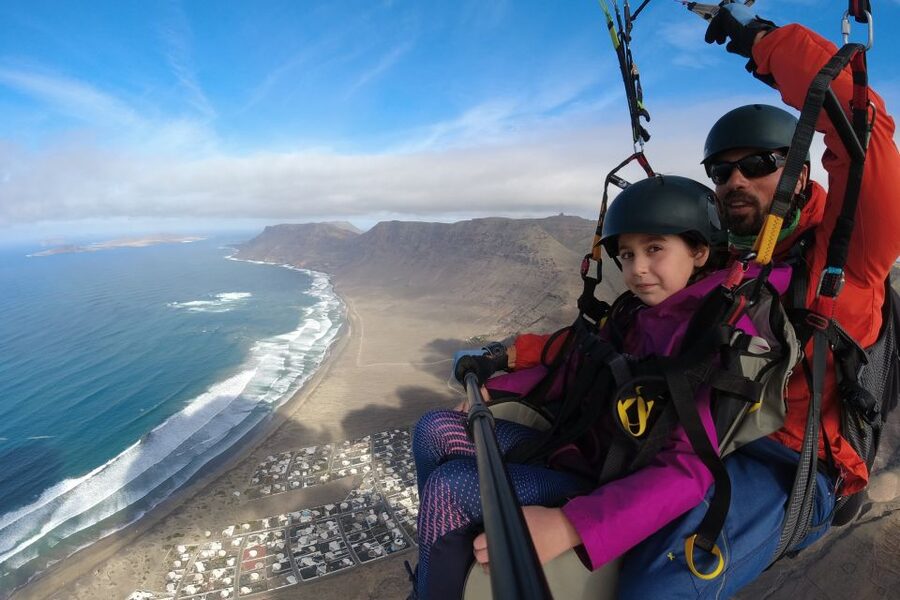
With a cap of 10 participants, you’re not lost in a crowd. That matters for something like this, where setup and safety checks have to happen smoothly.
What stands out from feedback is the human side. The team is consistently described as kind and friendly, and the experience is often praised as a standout special event. That tells you something important: you’re not going to be shuffled through a rushed, assembly-line operation.
On flying days, the emotional side matters. If you’re nervous, a calm briefing and a reassuring team make a big difference. And if you’re excited, a friendly atmosphere keeps it fun instead of intense.
Who this flight suits best (and when to skip it)
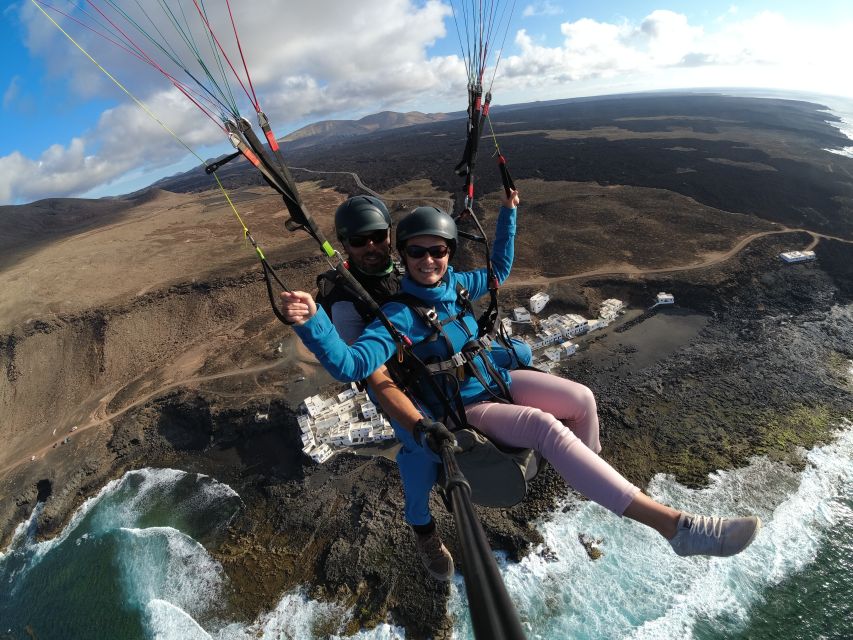
This experience fits best if you want:
- A first-time-friendly introduction to paragliding
- A memorable, photo-friendly aerial view without learning to fly yourself
- Choice in intensity, thanks to the relaxed option and the Rollercoaster option
- A special-occasion moment (birthday, anniversary, “we’re doing something different” trip energy)
It’s not ideal if you need wheelchair accessibility. This activity is not suitable for wheelchair users, so plan something else if mobility access is a concern.
If you hate uncertainty, the wind-dependent meeting point might also be a mismatch. But honestly, if you’re flexible with timing and bring your own transport, the wind factor is part of how this sport works.
First-timer tips that make a big difference
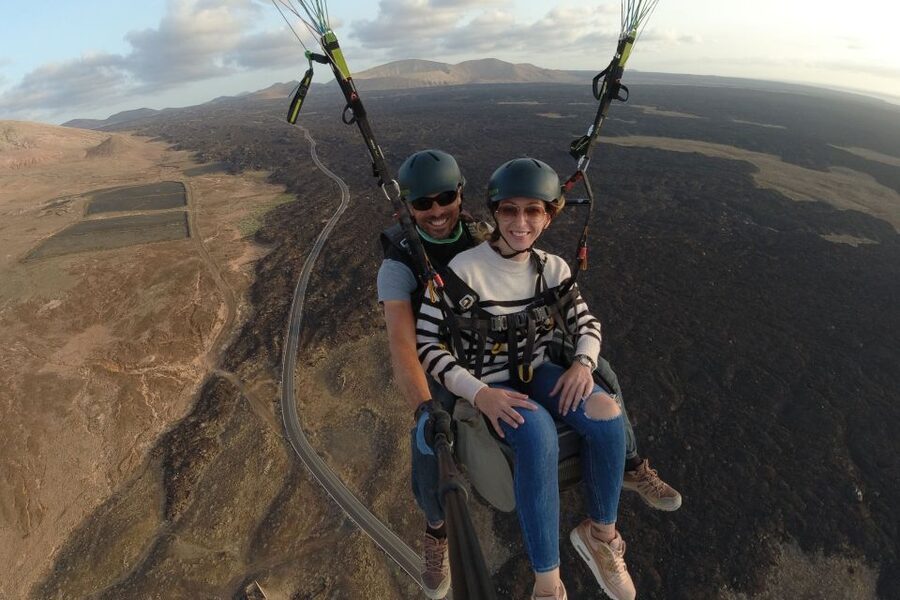
You don’t need experience. Still, a few choices can make the day smoother.
Wear practical shoes. Sports shoes help with footing during launch and landing. If you wear sandals or slip-on footwear, you’ll likely feel less confident.
Bring a jacket even if it’s warm. Wind and altitude can cool you quickly once you’re off the ground. A lightweight jacket is usually enough, but it’s smart insurance.
Choose your intensity based on your day. If you want thrills, pick Rollercoaster. If you want “wow” without feeling too spun around, pick the relaxed option.
Plan to feel, not just to film. Phones are great, but the aerial moment is also about sensations—lightness, speed (it varies), and the view rolling past you. Try to alternate: a few photos, then look up and enjoy it properly.
Should you book this tandem paragliding flight over Lanzarote?
I think it’s a strong pick if you want one unforgettable activity that’s genuinely different from typical sightseeing. The combination is hard to beat: tandem flying, no experience required, a small group, and views that show off Lanzarote’s volcanic character and the ocean edges in one go.
Book it if:
- You’re open to meeting point changes based on wind.
- You want either a gentle first flight or a thrillier Rollercoaster version.
- You’re okay with a focused highlight activity that lasts about 25 minutes in the air.
Skip it if:
- You can’t manage a self-drive day or you need very rigid scheduling.
- You have mobility constraints that the activity can’t accommodate.
If you do book, keep your day open, wear your sports shoes, bring the jacket, and trust the pilot. In the end, that’s what makes this work: you get the freedom of flight with support, not stress.
FAQ
How long is the tandem paragliding flight over Lanzarote?
The flight duration is 25 minutes.
How much does the experience cost?
The price is listed at $136 per person.
Is hotel pickup included?
No. Hotel pickup and drop-off are not included.
Where do we meet for the flight?
The supplier contacts you the day before to confirm the exact meeting point and time. The meeting point can vary depending on wind.
Do I need any prior paragliding experience?
No prior experience is required.
What language options are available for the instructor?
The instructor is available in Spanish, English, French, and German.
Is this a private or small group experience?
It’s a small group limited to 10 participants.
What should I bring to the meeting point?
Bring a jacket and sports shoes.
What flight options are available?
You can choose a standard relaxed flight or a Rollercoaster option that includes more advanced maneuvers.