REVIEW · ZERMATT
Matterhorn Paragliding flight in Zermatt (20-25min)
Book on Viator →Operated by Matterhorn Paragliding · Bookable on Viator
Matterhorn views hit different at 4000-meter altitudes. This tandem flight from Rothorn, Gornergrat, or Riffelberg (season dependent) mixes big sky thrills with guided wildlife spotting and real mountain commentary. I especially love the Matterhorn-focused viewing and the way pilots talk you through what you’re seeing, from cliffs to peaks. I also like that you get professional optics (binoculars and spotting gear), so the scenery isn’t just pretty, it’s actually readable.
The trade-off: paragliding is weather dependent, so your departure time can shift (or your flight can be refunded if conditions aren’t safe). The lift/cable car to the takeoff point also isn’t included, so budget a little extra for getting up there.
In This Review
- Key Highlights You’ll Care About
- Why This Matterhorn Flight Feels Different Than a Quick Tour
- Takeoff Points: Rothorn, Gornergrat, or Riffelberg (and Why Season Changes Everything)
- Meeting at Vispastrasse 32: Keep Your Morning Simple
- Equipment and Safety: What’s Included (and What You Can Control)
- The Flight Itself: 20–25 Minutes of Matterhorn Geometry
- Spotting Wildlife: Binoculars Turn a Maybe Into a Game
- Your Main Stop: The Matterhorn Viewing Moment
- Price and Value: What $399.42 Really Covers (and What Doesn’t)
- Who This Suits Best (and Who Should Think Twice)
- Practical Tips for Getting the Best Flight (Without Overthinking It)
- Final Call: Should You Book Matterhorn Paragliding in Zermatt?
- FAQ
- How long is the paragliding flight over the Matterhorn?
- Where is the meeting point in Zermatt?
- Do I need any paragliding experience?
- What gear is included in the price?
- Is the lift or cable car to takeoff included?
- What discounts apply if I have a SwissPass or half fare?
- What happens if the weather is bad?
- Is the tour private?
Key Highlights You’ll Care About
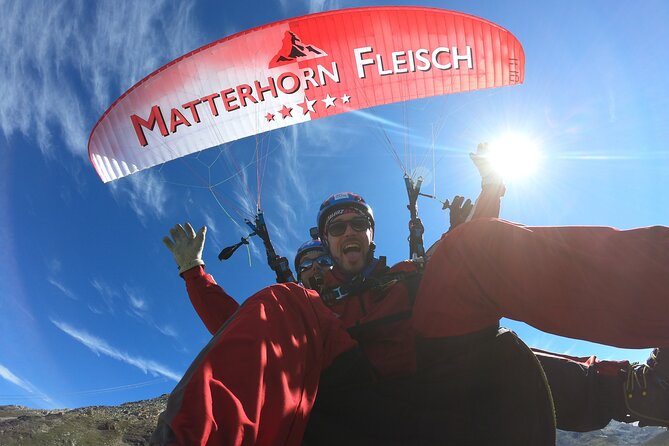
- Matterhorn viewing as the main event: your flight is planned around the best angles of the iconic peak and nearby giants.
- Wildlife spotting, not just sightseeing: you may spot animals like bighorn sheep, bison, wolves, deer, and more.
- Binoculars and pro optics included: you’ll get gear that makes distant details easier to catch.
- Private group experience: only your group flies with the team.
- Calm, confidence-first pilots: multiple pilots (like Alan, Chris, Bruce, Allan, Jan, Joel, and Eric) earn praise for smooth, reassuring rides.
Why This Matterhorn Flight Feels Different Than a Quick Tour
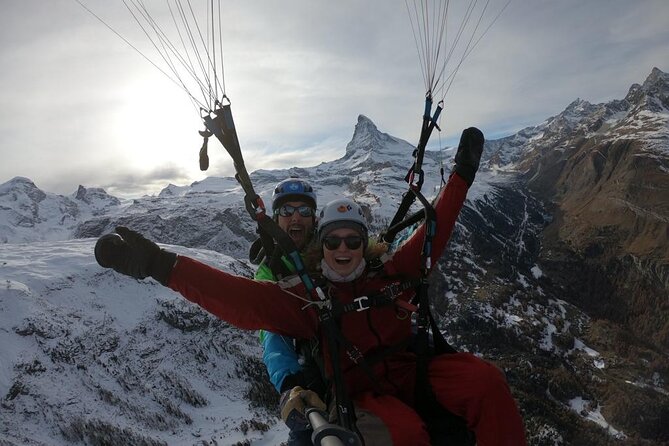
In Zermatt, everyone wants a shot of the Matterhorn. This experience turns that wish into something physical: you’re not just looking up at it from town—you’re flying near enough that the mountain feels close and steep, like it could grab you by the view alone.
You also get something most quick tours can’t offer: interpretation. The pilot talks you through fauna, flora, and the region’s history while you’re in the air. That matters because Zermatt’s scenery can blur together if you don’t know what you’re actually seeing. A good pilot helps you connect the dots—ridge shapes, wind lines, and the kinds of habitats animals use up high.
And yes, it’s thrilling. But the pacing is practical. Expect 20–25 minutes of flying during a total activity window of about 2 hours, with time for safety prep and getting ready.
Takeoff Points: Rothorn, Gornergrat, or Riffelberg (and Why Season Changes Everything)
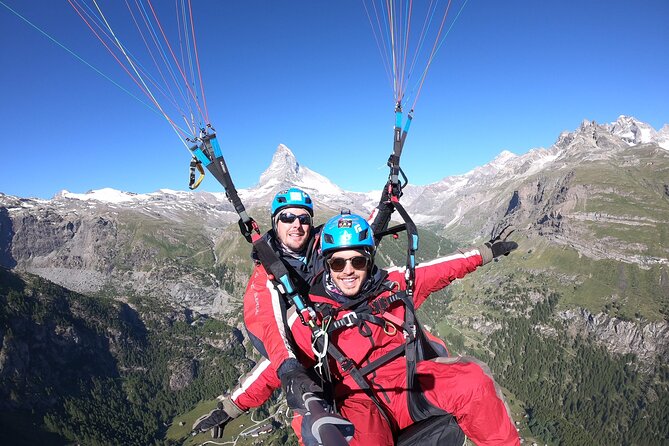
Your flight starts from one of three elevated launch areas: Rothorn, Gornergrat, or Riffelberg, depending on the season. That’s more than a detail. It affects the type of terrain and angles you’ll see during your glide, and it also affects how you’ll get to the launch area.
Here’s the key value for you: the operator plans the flight around the Matterhorn view from the best practical spot for that time of year. That’s why you shouldn’t expect a one-size-fits-all experience. In winter and in warmer seasons, Zermatt’s access routes and conditions differ, so the team uses the launch point that fits the day.
If you’re the type who likes to control logistics, plan for the fact that the launch location could influence how long you’re on your feet before takeoff. The ride itself is tandem, and you don’t need experience, but you do need to be comfortable following instructions quickly.
Meeting at Vispastrasse 32: Keep Your Morning Simple
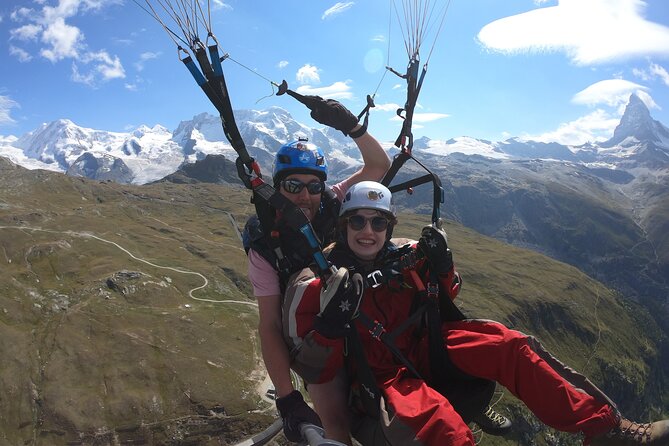
You meet at Vispastrasse 32, 3920 Zermatt. The good news is it’s near public transportation, so you’re not locked into expensive private transfers just to start the day.
The not-so-fun reality of Zermatt is that schedules matter. If your takeoff time shifts due to weather, you don’t want to be juggling a second timed activity right afterward. I’d keep your day flexible, especially if you’re also planning panoramic trains or hikes.
Before you start, you’ll do a safety briefing and get fully suited up with the core gear: helmet, gloves, and a flight suit. That setup time is part of why the whole activity is about 2 hours even though the air time is 20–25 minutes.
Equipment and Safety: What’s Included (and What You Can Control)
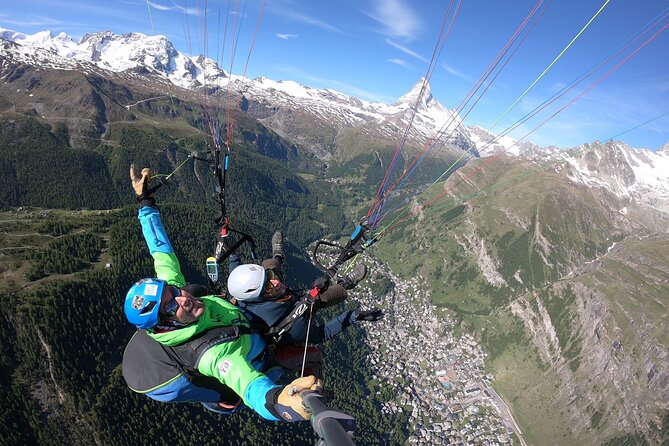
You’ll be provided with what you need for the flight: helmet, gloves, and a flight suit. You don’t need to bring specialty clothing just to get strapped in—basic layers and comfort matter more than gear shopping.
Also, paragliding is weather dependent. The team will cancel if safety requires it. If that happens because of weather or safety reasons, you get a full refund. Sometimes they also move the flight to another day or time to protect the quality of the conditions.
Here’s what you can control:
- Tell your guide what kind of flight you want. If you prefer calmer flying versus more action—like time spent maneuvering among cliffs—say it up front.
- If you care about photos/video, ask questions before you launch. One guest noted that they weren’t sure when the camera was active, and that made some footage come out less clear. A quick pre-flight check saves headaches.
And about weight: there’s a max limit of 90 kg / 200 lbs. There’s also an age limit of max 65 years. If you’re close to those thresholds, confirm before you commit.
The Flight Itself: 20–25 Minutes of Matterhorn Geometry
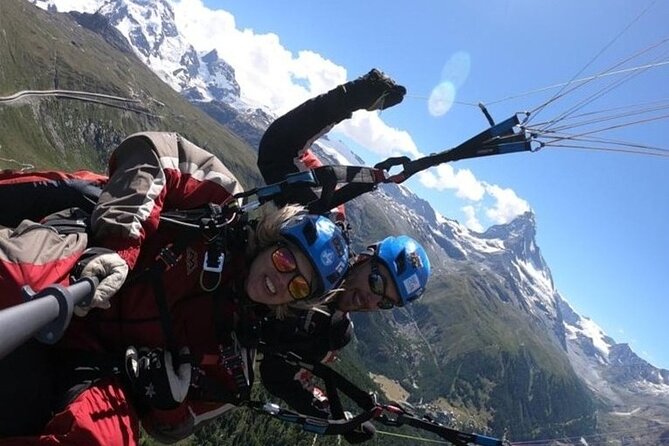
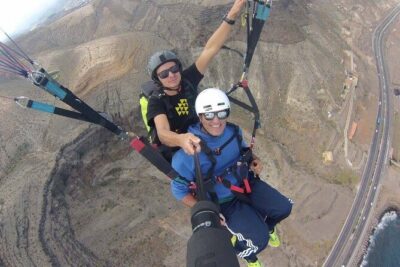
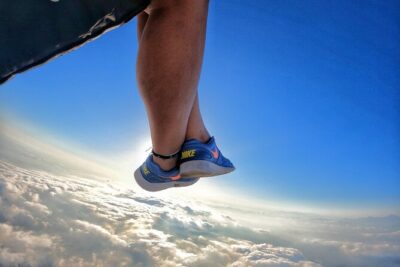
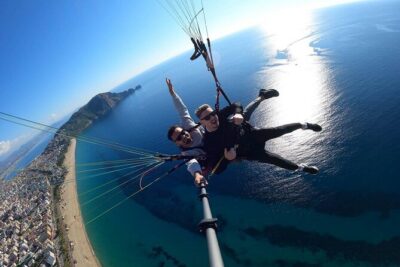
Once you’re in the air, the experience is all about scale and rhythm. You’re not just seeing mountains; you’re watching them shift position as wind and glides carry you over ridges and valleys.
The flight is planned to show you the Matterhorn and the surrounding 4000-meter peaks. That’s why the takeoff point selection matters. From Rothorn/Gornergrat/Riffelberg, the pilot can aim for the most impressive lines of sight during the limited time you’re airborne.
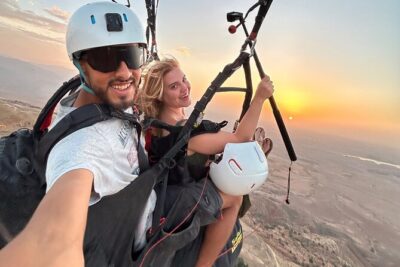
One pattern in the feedback is that guides focus on comfort and control. People consistently describe flights as smooth and safe, even if they were nervous beforehand. Names that came up for that calm confidence include Alan, Chris, Bruce, and Jan.
You’ll also hear the pilot interpret what you’re seeing. That’s where the experience becomes more than a thrill ride:
- You learn what parts of the mountain you’re looking at and why they matter.
- You get context for vegetation and wildlife patterns at altitude.
Spotting Wildlife: Binoculars Turn a Maybe Into a Game
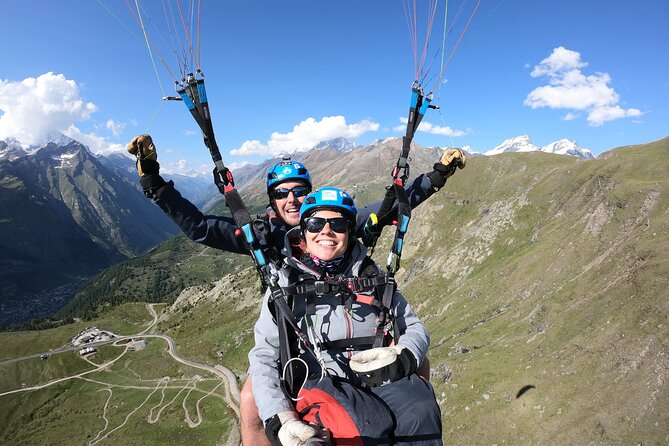
Wildlife sightings are never guaranteed, but the experience is set up to make spotting possible. You’ll use binoculars and professional optics (plus spotting scopes) for better viewing, which is a big deal when animals are small and far away.
The team may help you watch for animals such as moose, bighorn sheep, bison, wolves, and deer. Sometimes you’ll spot movement on slopes, sometimes you’ll spot stillness that reads like a shape in the rock. Either way, having the optics makes it more than wishful thinking.
Also, listen to the guide’s explanation. That’s how you tell the difference between random dots and something living. If the pilot points out what habitat to watch—edges, clearings, or particular slopes—you’ll spend your attention in the right places.
Your Main Stop: The Matterhorn Viewing Moment
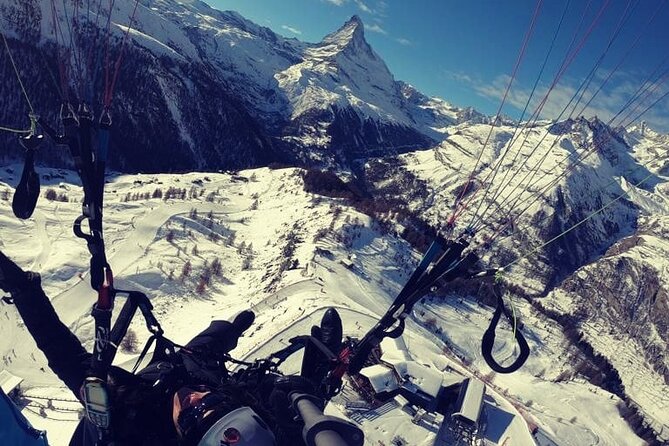
The flight’s core viewing stop is simple: the Matterhorn. But it’s not a quick fly-by you’ll forget in five seconds. The Matterhorn is the axis of the whole route, and the pilot frames it during your time in the air.
That’s the part many people call a highlight: the view of the Matterhorn with surrounding peaks in the same shot, not as separate postcards. From above, you also get a sense of how steep and sculpted the mountain really is—how close the rock face feels compared to the town below.
If the day is clear, you’ll get the best “read” of the peak’s shape. If visibility isn’t perfect, you might still have a great flight, but you’ll want to lean into the commentary and the wildlife/terrain explanations while the mountain details are harder to see.
Price and Value: What $399.42 Really Covers (and What Doesn’t)
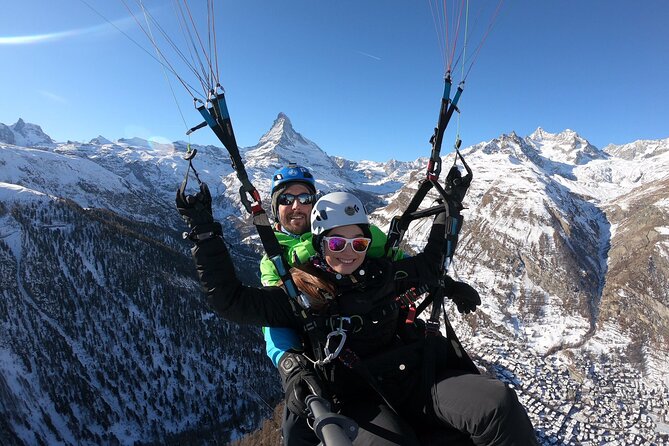
At $399.42 per person, this isn’t a budget activity. It’s a premium experience, and the value comes from what’s included and how much is controlled.
You’re paying for:
- Tandem flight with a professional pilot
- Safety briefing and professional guidance
- Core flight gear (helmet, gloves, flight suit)
- Included viewing tools (binoculars and professional optics)
- Interpretation while you’re in the air
- A private setup for your group
What’s not included:
- Private transportation
- The lift/cable car/rail ticket to takeoff
- Optional photo/video package
That last part is important for your planning. The lift to takeoff is one-way, and cost varies based on what pass you hold. If you travel with a SwissPass or half fare, bring it—there’s a 50% discount on the takeoff ride. If you have a PeakPass or Skipass, the ride is included.
So the real “all-in” cost depends on how you travel. If you already have the pass that covers the lift, this can feel like better value. If you don’t, you’ll want to budget that extra transport spend so you don’t get surprised later.
Who This Suits Best (and Who Should Think Twice)
This is suitable for most people, but it does have a few limits:
- Moderate physical fitness level
- Max 90 kg / 200 lbs
- Max 65 years
- Private group experience
If you’re a first-timer, the operator explicitly notes no experience is needed. That’s backed by the reviews describing nervousness that turns into calm once the ride starts—often attributed to clear instruction and smooth piloting.
If you’re the type who gets stressed by changing plans, consider that weather can force rescheduling. On the bright side, the refund policy is clear if the flight is canceled for weather/safety reasons, and you’ll be offered a different date when possible.
If you want a lot of physical activity, this isn’t a hike. You’re more in the “stand, suit up, fly, and look” category. The focus is the view and the storytelling, not endurance.
Practical Tips for Getting the Best Flight (Without Overthinking It)
A few small choices can make this feel effortless:
- Arrive ready to move through the check-in/suit-up rhythm. The day is short for the flight itself, so don’t show up with a schedule gap that makes you rush.
- Bring your SwissPass/half fare if you have it. The discount up to takeoff is stated, and it can meaningfully change your final cost.
- If you care about photos/video, talk to your pilot before takeoff about camera timing and what will be happening. One guest found it clearer once they had control over the camera; for everyone else, a quick run-through helps.
- Tell the pilot your comfort level. You’ll get a better experience if you communicate whether you want more action among cliffs or a calmer glide.
- If the flight shifts due to weather, take the operator’s lead. They’re trying to protect both safety and the quality of the view.
Final Call: Should You Book Matterhorn Paragliding in Zermatt?
I’d book this if your priority is a high-impact, once-in-a-lifetime Matterhorn moment with real guidance. The combination of tandem flight, private group setup, included optics, and pilot commentary makes it feel more like a guided experience than a simple thrill.
I wouldn’t book it if you need rigid timing or if you hate the idea that weather could change the plan. Also, factor in the lift ticket to takeoff—this activity’s total cost isn’t only the flight price.
If you’re okay with the “fly when conditions are right” approach, this is one of the most direct ways to understand why Zermatt’s mountains pull people back again and again.
FAQ
How long is the paragliding flight over the Matterhorn?
The flight time is about 20–25 minutes, with the full activity lasting around 2 hours.
Where is the meeting point in Zermatt?
You meet at Vispastrasse 32, 3920 Zermatt, Switzerland, and the activity ends back at the same meeting point.
Do I need any paragliding experience?
No experience is needed. The pilot provides instruction and a safety briefing.
What gear is included in the price?
The operator provides the equipment needed for the flight, including a helmet, gloves, and a flight suit, plus a safety briefing.
Is the lift or cable car to takeoff included?
No. The one-way cable car/railway ticket to the takeoff point is not included. The pilots can help you buy the ticket when you meet.
What discounts apply if I have a SwissPass or half fare?
If you travel with a SwissPass or half fare, bring it along for a 50% discount on the takeoff ride. If you have a PeakPass or Skipass, that ride is included.
What happens if the weather is bad?
Paragliding is weather dependent. If canceled due to weather or safety reasons, you receive a full refund. Sometimes the flight is moved to a different day or time to guarantee a nice flight.
Is the tour private?
Yes. It’s a private tour/activity, and only your group participates.