REVIEW · POKHARA
Pokhara: Adventure Paragliding Trip with Photos and Videos
Book on GetYourGuide →Operated by Welcome Nepal Treks P.Ltd · Bookable on GetYourGuide
Pokhara’s sky-view is hard to beat. This paragliding trip gets you above Phewa Lake and the Pokhara Valley, with a real shot at seeing the Annapurna and Dhaulagiri ranges from up high.
I especially like how the flight is paired with a solid, calm safety setup: you get a briefing from a certified instructor and a pilot who helps you feel in control. I also like the practical side—hotel pickup and drop-off from lakeside Pokhara, plus videos and photos so you don’t have to rely on shaky phone footage.
One thing to consider: the sky and visibility can change. If conditions are cloudy, your mountain-range views may be less dramatic, and the wind can make some people prone to nausea.
In This Review
- Quick hits before you go
- Pokhara skies: why this flight feels different
- Getting from lakeside to Sarangkot without stress
- The safety briefing that actually helps (and the pilot matters)
- 30 minutes aloft: what you see over Phewa Lake
- Photos and video: turning a quick flight into real memories
- Wind, sunglasses, and what to pack (jacket and ID)
- What the day feels like: timeline, group size, and pickup comfort
- Who should do this, and who should skip it
- Value in the package: why the inclusions matter
- Cloudy skies, eagle sightings, and how to set expectations
- Should you book this Pokhara paragliding trip?
- FAQ
- How long is the paragliding flight?
- What time do you get picked up from Pokhara?
- Where do you fly from?
- Is hotel pickup and drop-off included?
- Do you get video and photos?
- Will I get a safety briefing?
- Is the instructor/guide English-speaking?
- What documents should I bring?
- What should I wear or pack?
- Is this suitable for people with mobility impairments?
Quick hits before you go
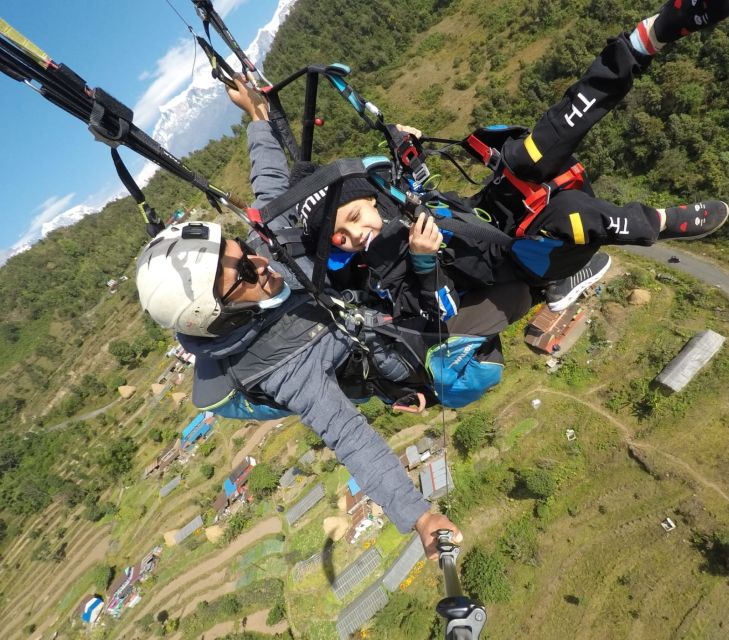
- Certified instruction and a safety briefing before you take off, so you know what’s happening
- About 30 minutes in the air, weather permitting, with views over lakes and valleys
- Sarangkot photo-stop time, which means you’re not just rushing to the jump point
- Video + photos included, so the experience is documented without extra effort
- Wind and motion awareness, especially if you get motion sickness easily
Pokhara skies: why this flight feels different
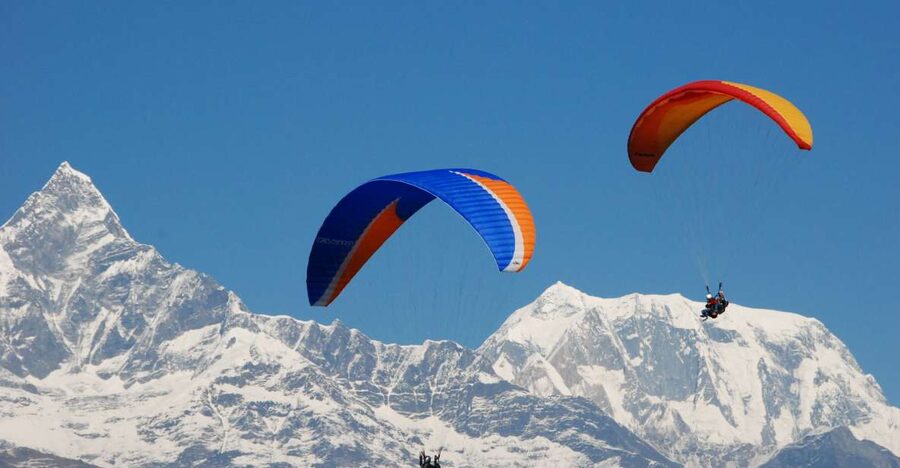
Pokhara is already a visual place, but paragliding turns the volume way up. From the air, you don’t just see the mountains—you see how the city and lakes sit inside the wider geography of the region. You’re flying over the Pokhara Valley, and the views naturally guide your eye: lakes first, city edges next, then the Himalayan wall if the weather behaves.
The big value here is that this trip focuses on the aerial experience, not a long day of museum hopping. The flight time is short in clock minutes, but it’s concentrated. That matters in Pokhara, where you might also want time for Phewa Lake, a relaxed dinner, or a sunrise walk.
Getting from lakeside to Sarangkot without stress
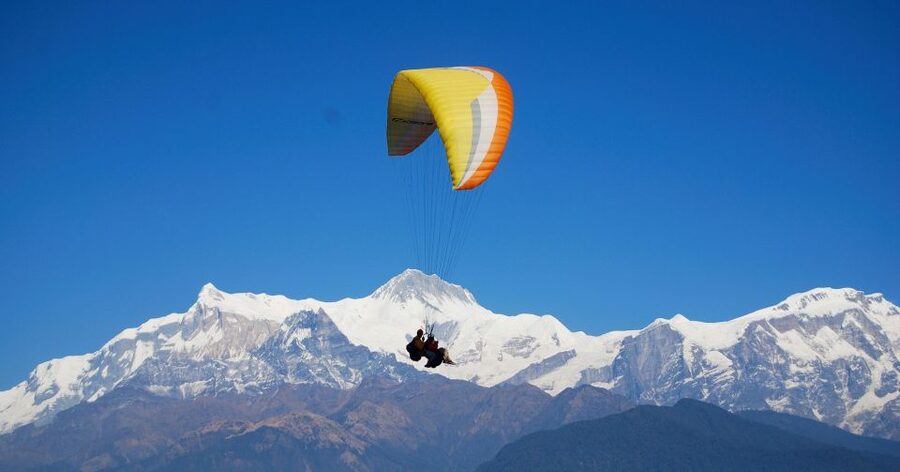
Your day starts with breakfast at your hotel, then a pickup from lakeside Pokhara around 9:45 am. From there, you’ll head toward the launch area (Sarangkot area), with a scenic drive and photo-stop time along the way.
This matters for two reasons. First, Sarangkot isn’t right in central lakeside—getting there smoothly keeps you from dealing with taxis, timing headaches, or last-minute confusion. Second, you want your body calm when it’s time to gear up and launch. Slow and organized is good here.
Once you’re at the launch site, you’ll meet your instructor for a quick prep briefing. Then you’ll wait until it’s time to fly. The schedule can feel like “a few hours on the ground,” even though the airtime itself is about 30 minutes. That waiting time is not wasted—it’s part of matching conditions so the flight stays safe and enjoyable.
The safety briefing that actually helps (and the pilot matters)
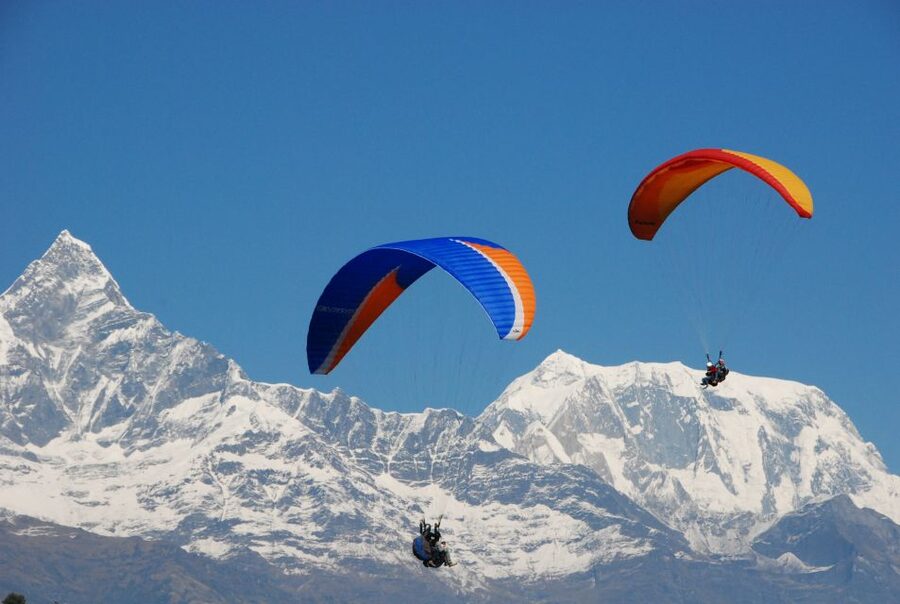
You’ll get a safety briefing from a certified instructor before takeoff. That’s not just a checkbox. Good briefings help you understand what you’ll feel: wind in your face, the moment of lift, and what your pilot will do in the air.
The reviews highlight friendly, helpful pilots and a consistent sense of safety. People also describe how clearly pilots communicate and direct you to scenic viewpoints. In other words: you’re not thrown into the experience and left guessing. If it’s your first time, this is the part that makes you relax.
Quick reality check: you might feel motion in the air. One review specifically warned about possible nausea if you’re sensitive to motion sickness. If that’s you, plan for it. Bring a jacket (wind can be a factor), and don’t start the day with a super heavy meal if your stomach is easily unsettled.
30 minutes aloft: what you see over Phewa Lake
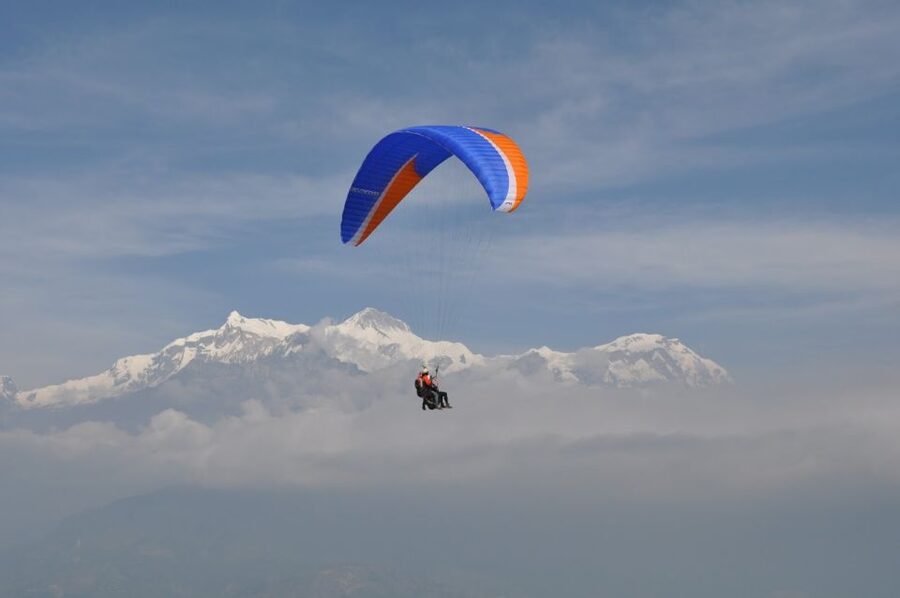
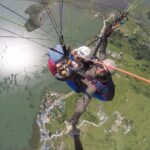
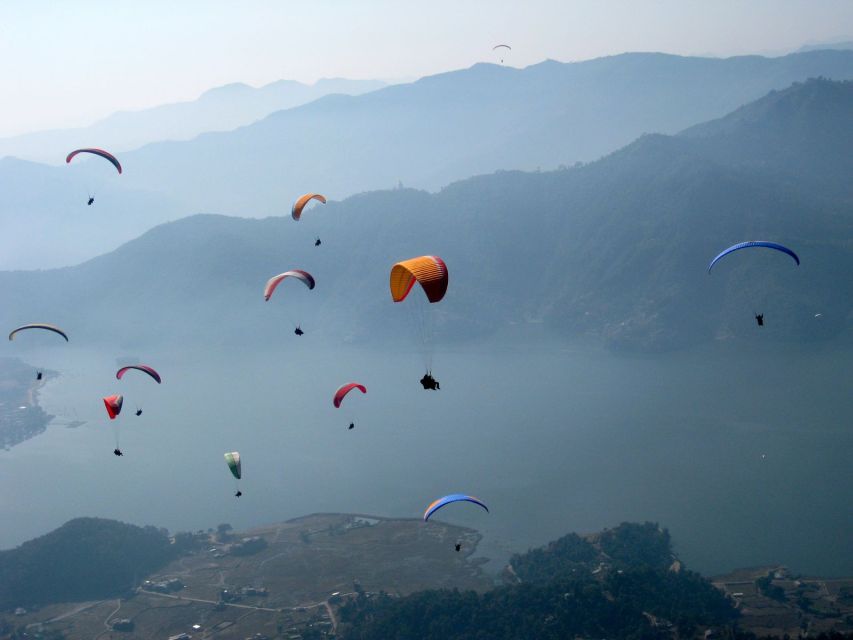
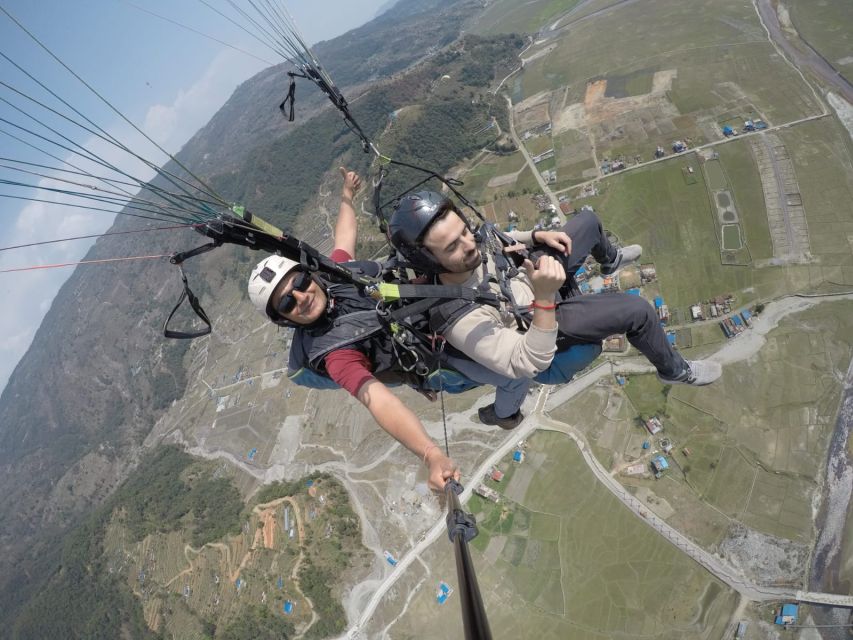
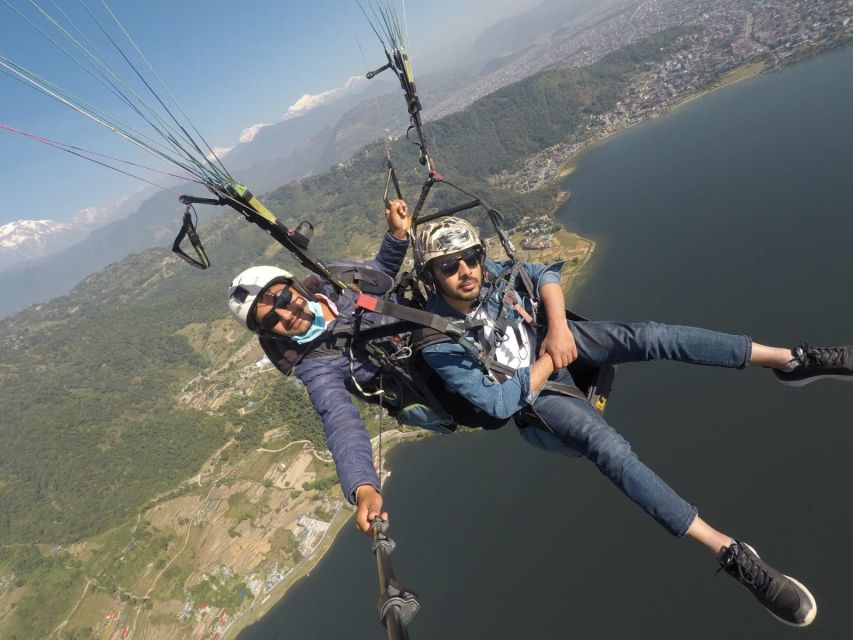
Your actual flight time is about 30 minutes, and it can vary depending on weather. When conditions are favorable, you’ll get sweeping views of Pokhara from above—lakes, valley angles, and the shape of the city as it spreads out below.
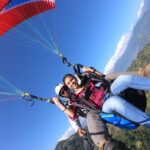
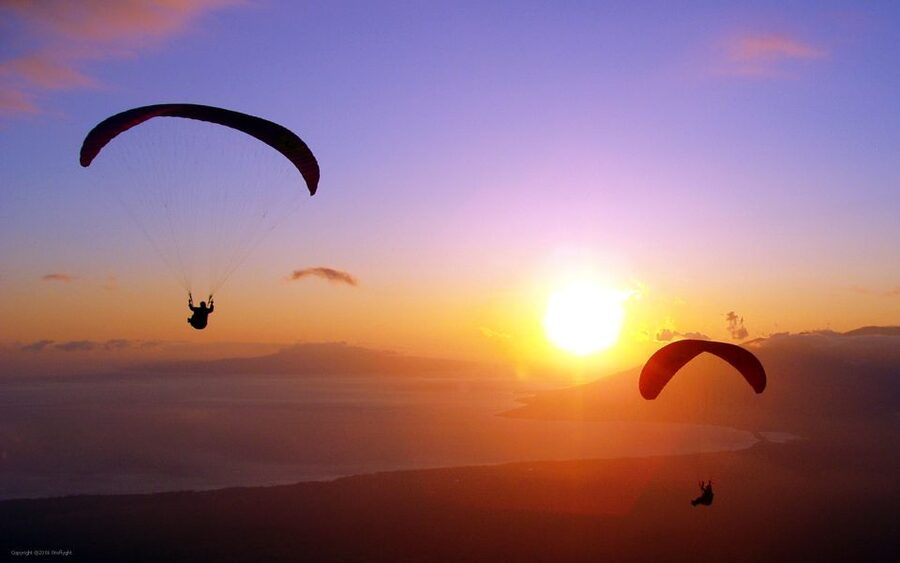
This is where the trip earns its “bucket-list” reputation. You’re strapped into a paraglider, wind on your face, and you’re watching the world from an angle that normal sightseeing just can’t match. The highlight views you should expect to aim for:
- Phewa Lake from above (a true aerial way to appreciate its size)
- Pokhara Valley and surrounding areas
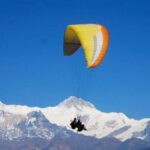
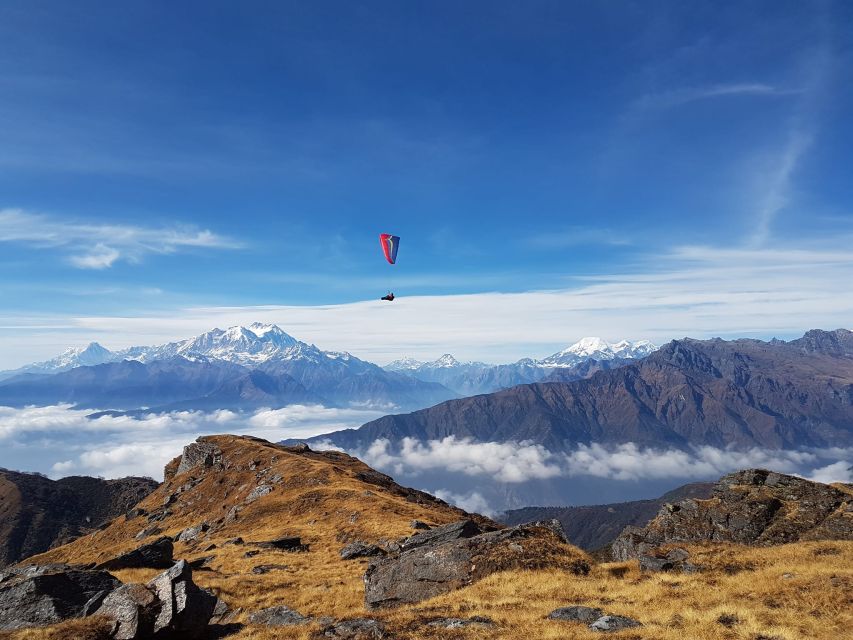
- The chance to see the Annapurna and Dhaulagiri ranges, if visibility is good
Even when skies aren’t crystal clear, the experience can still be memorable. One review noted incredible views even on a cloudy day. Cloud cover doesn’t always ruin the day—it can change the feel of the scenery and soften the harsh contrast.
Photos and video: turning a quick flight into real memories
The trip includes video and photos as part of the package. That’s a big deal because most people don’t bring cameras that can handle wind and quick angles while strapped into flight gear.
This also changes how you experience the flight. If someone is handling footage, you can spend more time looking around and less time worrying about getting the shot. After landing, the team returns you to your hotel, and the documentation becomes your souvenir without extra scheduling.
One detail I like: the flow seems smooth end-to-end—assignment of the pilot, flight, and then the photo/video handoff before you’re sent back lakeside. It keeps the momentum, which is helpful on a day that already has weather-related pauses.
Wind, sunglasses, and what to pack (jacket and ID)
What to bring is simple, and the list is the right kind of practical:
- Passport or ID card
- Jacket
A jacket matters even in warmer seasons because you’ll feel cooler air once you’re moving and exposed to wind. Also, wind can be strong enough that one review suggested bringing sunglasses, or renting them locally for a small fee if needed.
Not allowed: luggage or large bags. Keep your load light. This is one of those activities where “I’ll just bring one more thing” becomes annoying fast once you’re dealing with gear and transport.
If you’re prone to nausea, you might also want to plan for that ahead of time. The most useful preparation is mental: understand that it’s common, and you can still have a great flight with the right mindset.
What the day feels like: timeline, group size, and pickup comfort
This is a private group, which usually means less waiting for other people and fewer surprises. Your pickup and drop-off are included, so you don’t need to find transportation at the start or end. You’re also told to wait in the hotel lobby about 10 minutes before pickup, which helps keep everything on schedule.
Here’s how I’d mentally map the experience: you’ll spend a chunk of time on the ground around Sarangkot for preparation and weather, and then you’ll get your flight—about 30 minutes. After landing, you’ll be driven back to your lake-side accommodation.
That structure is good if you want a clear “activity block” in your day. You’re not committing to a full-day hike where weather can derail everything. You’re committing to a flight experience with a short in-air window, which makes it easier to pair with other Pokhara plans.
Who should do this, and who should skip it
This paragliding option is not suitable for people with mobility impairments. That’s important because getting to the launch area, managing gear, and handling steps on uneven terrain may not be doable for everyone.
If you’re generally active, comfortable with heights, and open to a short adrenaline rush, this is a strong fit. Reviews also mention that pilots can make things feel less scary even for those who are afraid of heights—so don’t assume you must be fearless. A professional pilot and a calm briefing can change how the experience lands.
It’s also ideal if you want maximum scenery per hour. Pokhara has plenty of things to do, but paragliding gives you a totally different angle on the place.
Value in the package: why the inclusions matter
Price is always personal, but I can judge value by what you don’t have to manage. Here, the package includes:
- Hotel pickup and drop-off
- A professional English-speaking instructor
- The paragliding experience
- Video and photos
- Taxes/service charges
In practical terms, you’re paying for less friction. Transportation is handled, the instruction is handled, and your souvenir media is handled. That matters in Nepal tourism, where sometimes there are multiple layers of teams involved in one activity. One review even pointed out that the booking name and the local operation can be different. You can’t control that entirely—but you can control how prepared you are and how clearly you confirm who your pilot and crew are on the day.
If you want a smooth, well-communicated adventure with safety emphasis and a documented flight, this package makes sense.
Cloudy skies, eagle sightings, and how to set expectations
You’re going to a launch site where the air has a plan, not a promise. If weather limits visibility, you might not see as much of the Annapurna and Dhaulagiri ranges from above. That’s the main expectation risk.
Still, you can end up with a great flight even when it’s not perfect. One review described flying even on cloudy days, and another mentioned soaring through a flock of eagles. Those moments are the reason people keep coming back to Pokhara’s paragliding scene: the flight can surprise you.
My advice: focus on what you can control. Wear a jacket, keep your bag minimal, and let the pilot do what pilots do. If the view is cloudy, you’re still getting the sensation of flight and the aerial perspective over lakes and valley.
Should you book this Pokhara paragliding trip?
I’d book it if you want a short, high-impact adventure with strong safety focus, clear English instruction, and included video/photos. It’s also a good pick if you don’t want to juggle logistics—pickup, gear time, and return are handled.
Skip or ask extra questions if you:
- have mobility limitations that could affect boarding, walking, or equipment handling
- know you get motion sickness easily and haven’t planned for it
- expect perfectly clear Himalayan views no matter the weather
If you’re flexible, this is exactly the kind of Pokhara experience that turns a normal day into something you’ll remember every time you look at a map.
FAQ
How long is the paragliding flight?
The experience includes about 30 minutes in the air, depending on weather conditions.
What time do you get picked up from Pokhara?
Pickup is around 9:45 am from lakeside Pokhara.
Where do you fly from?
You’ll be taken to the launch site in the Sarangkot area.
Is hotel pickup and drop-off included?
Yes. The activity includes pickup and drop-off to your accommodation in lakeside Pokhara.
Do you get video and photos?
Yes. Video and photos are included.
Will I get a safety briefing?
Yes. You receive a safety briefing from a certified instructor before takeoff.
Is the instructor/guide English-speaking?
Yes. The instructor and live tour guidance are listed as English.
What documents should I bring?
Bring a passport or ID card.
What should I wear or pack?
Bring a jacket. Sunglasses aren’t listed as required, but wind can make sunglasses helpful; you may be able to rent them locally.
Is this suitable for people with mobility impairments?
No. It is not suitable for people with mobility impairments.