REVIEW · CAPE TOWN
Cape Town: Tandem Paragliding with views of Table Mountain
Book on GetYourGuide →Operated by AirVentures Paragliding · Bookable on GetYourGuide
Floating above Cape Town beats any lookout. This tandem paragliding experience lets you glide over iconic spots like Table Mountain with an instructor doing the hard parts, while you just enjoy the view.
I especially like the human side: the team uses clear communication and shows up organized at takeoff. You’ll likely land with the chance for optional photos/video, but one real consideration is weather—your time in the air is typically shorter than you expect, even if the overall booking slot is 40 minutes.
In This Review
- Key Points I’d Prioritize
- What Makes Cape Town Paragliding Feel Different
- Signal Hill vs Lions Head: The Wind-Driven Choice
- From Paperwork to Helmets: What the Start Feels Like
- The Takeoff and the First Moments in the Air
- What You’ll See: Table Mountain, Sea Point, and 360°
- Sea Point Promenade and The Glen Club: Landing and Photo Delivery
- How Long It Really Is: 40 Minutes vs Time in the Air
- Price and Value: Is $109 Worth It?
- Comfort, Safety, and Who Should (and Shouldn’t) Go
- Practical Tips That Make the Day Go Smoothly
- Should You Book Tandem Paragliding in Cape Town?
- FAQ
- How long is the paragliding experience?
- Where does the flight start?
- How long will I be in the air?
- What views will I get?
- Where do you land?
- Is the pilot included, and what languages are offered?
- Do I need to bring anything?
- Are photos and videos included?
- Will they take me back to the takeoff point?
Key Points I’d Prioritize
- Wind decides your launch spot: Signal Hill or Lions Head on the day
- 360° city views with the pilot chatting you through what’s happening
- Glide paths over Sea Point or Camps Bay, then landing right where you can walk out and cool down
- Clear safety flow: paperwork, preflight briefing, then a smooth launch sequence
- Optional photo/video handoff lands directly on your phone at the end (R 400 extra)
- Free shuttle back up if you parked at takeoff
What Makes Cape Town Paragliding Feel Different
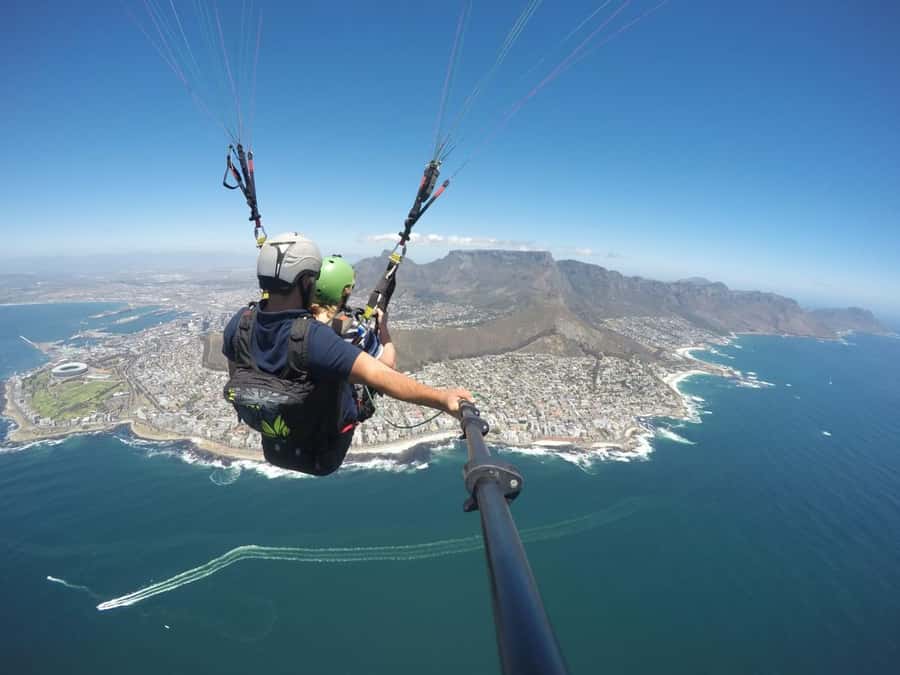
Cape Town looks great from the road, but from above it turns into a whole map. You get Table Mountain in your line of sight, plus the coast and neighborhoods that normally feel spread out. In the air, the “how far is that?” problem vanishes because everything wraps into one big panorama.
The tandem format matters too. You’re not trying to control the wing or second-guess the wind. Your pilot handles the equipment and the flight plan, and you get to focus on simple, human stuff: watching, breathing, and taking in the shape of the city.
The other standout is the 360-degree effect. Even when the flight time is short, the view is wide enough that it feels like you saw a lot more than minutes suggest. A first-timer can come away with that wow factor without needing prior skills.
Signal Hill vs Lions Head: The Wind-Driven Choice
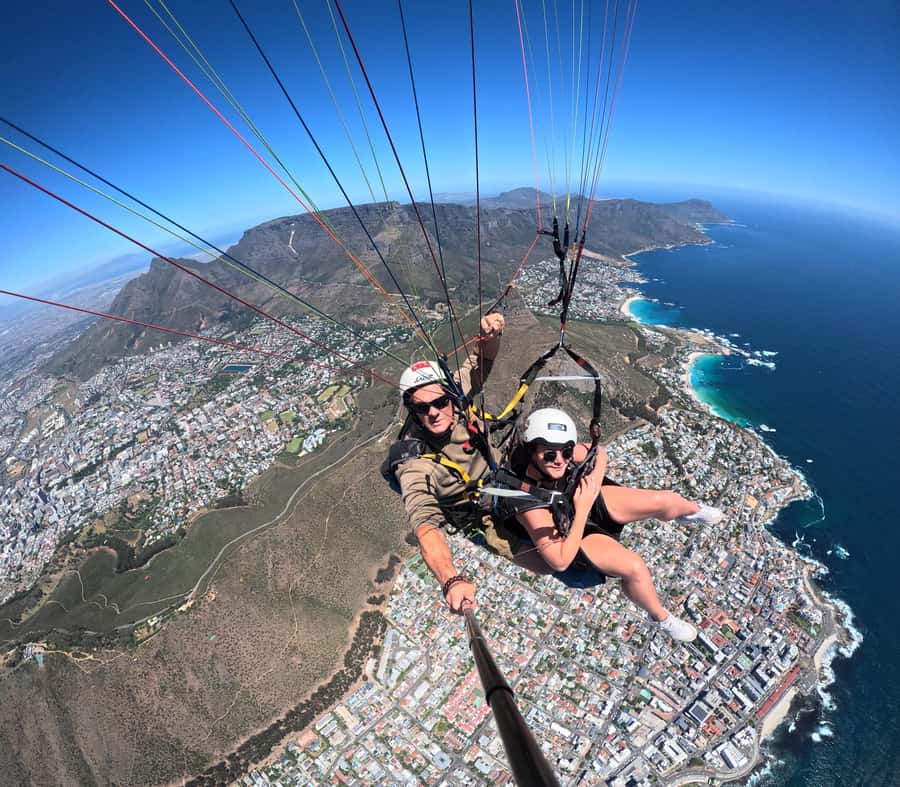
On your flight day, you’ll start at either Signal Hill or Lions Head depending on wind direction. You don’t pick this at home; the team picks it on the day for a safe, comfortable launch.
Here’s what that changes for you:
- If you launch from Signal Hill, you’ll do a short glide out toward Sea Point, then land on the Sea Point Promenade area.
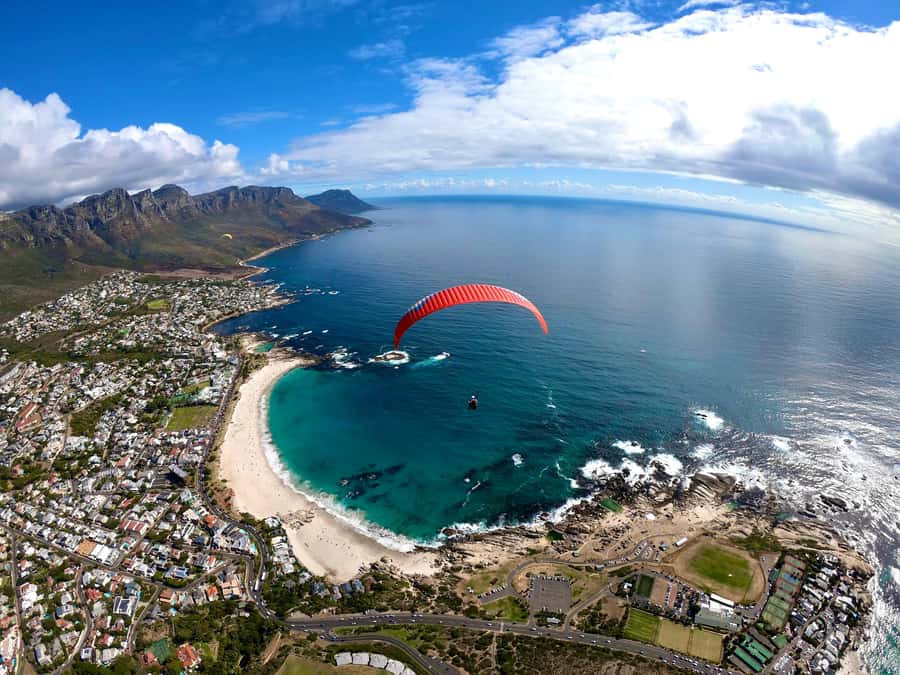
- If you launch from Lions Head, you’ll glide out over Camps Bay, landing at The Glen Club.
Either way, you get the signature Cape Town combo: mountain energy + Atlantic coastline. The practical tip is to treat your schedule like a “slot,” not a fixed promise. Several people experienced changes in start time due to wind, and the operation is set up for that reality.
Also, this explains why flight durations can vary. Paragliding isn’t a rides-at-a-park situation. It’s weather-dependent by design, and that’s part of the deal you’re paying for: the pilot won’t force it.
From Paperwork to Helmets: What the Start Feels Like
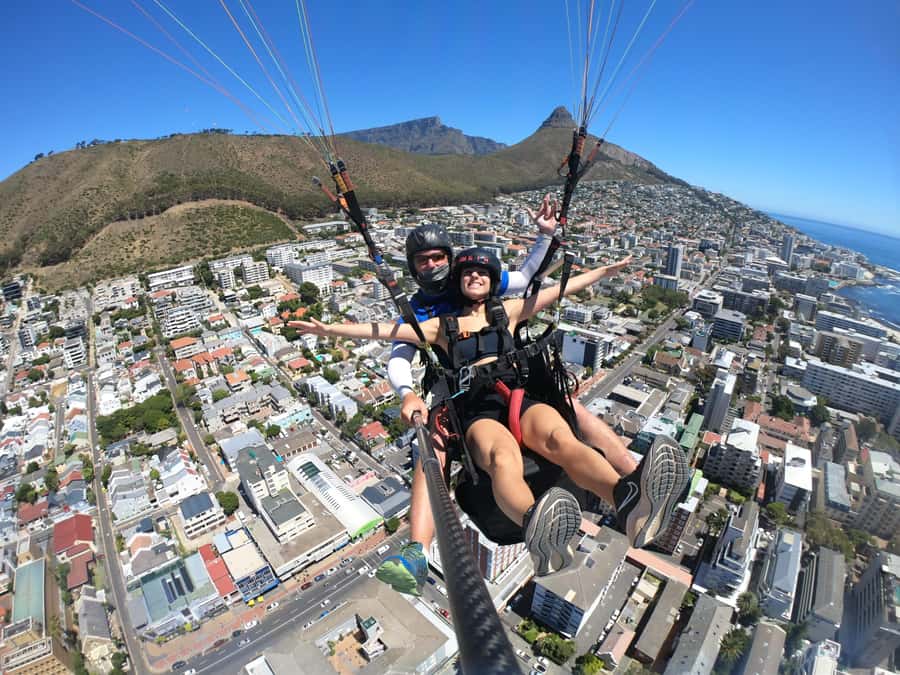
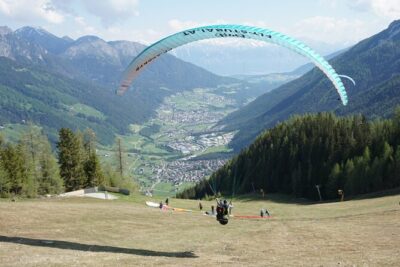
At the meeting point, you’ll see the paragliders launching next to the parking area at the end of Signal Hill Road. On takeoff, look for Witness, the manager. People consistently describe him as easy to spot and communicative, including using WhatsApp updates when timing shifts.
Once you’re checked in, the process is straightforward:
- Paperwork is completed first.
- You get a preflight briefing where you learn the basics of the paraglider, the takeoff sequence, and launching instructions.
- You’re also shown how to handle the experience in the air—simple guidance that helps nerves settle fast.
What I like about this setup is that it doesn’t feel like a lecture. It’s designed to get you ready to cooperate during takeoff and landing, not to test you.
You’ll also be given a helmet and clipped in. Several people noted how quickly things moved from arriving to gearing up, which can feel smooth if you’re mentally prepared for “go time.” If you’re the type who needs extra calming, say so early and ask the pilot for reassurance.
The Takeoff and the First Moments in the Air
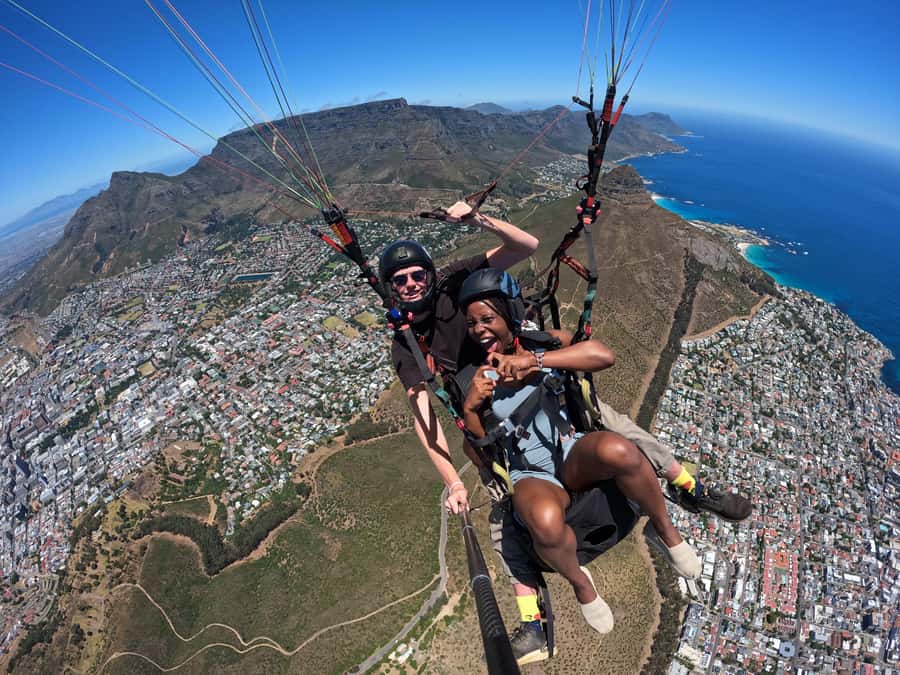
Takeoff is the part that determines how the whole flight feels. And for many first-timers, it’s also the moment of “oh wow, this is real.”
The pilot will guide you through what’s happening and how to stay comfortable once you’re up. People mention pilots chatting during the flight, which helps you stay present instead of panicking about the physics. You’ll also hear how paragliders stay aloft without a motor, and how altitude can be gained depending on conditions.
A useful detail: you’ll learn that you’re not just drifting. You’re being guided to use air currents. That turns the experience from a passive “sit and hope” into a more understandable glide.
Some pilots people referenced in their own flights include Lamont, Britt, Brett, Cal, Carl, Alois, Hanse, and Burrat. You might not get the exact same instructor, but the pattern is consistent: experienced tandem pilots who talk you through the ride.
What You’ll See: Table Mountain, Sea Point, and 360°
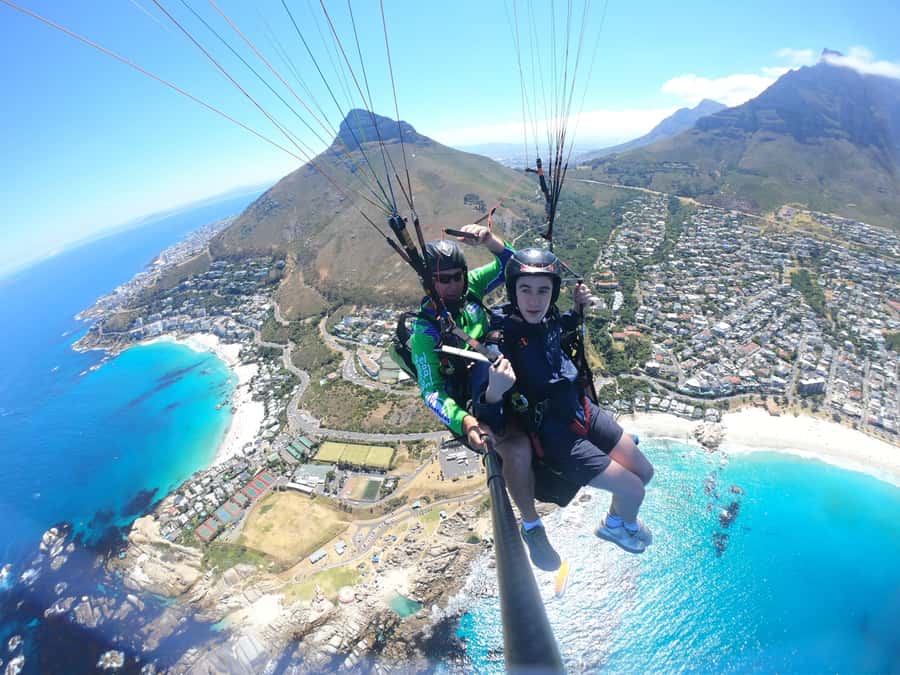
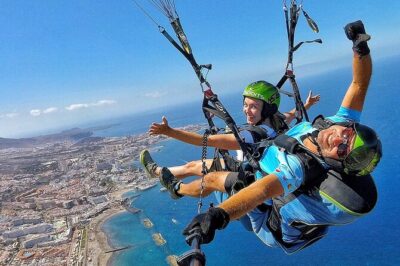
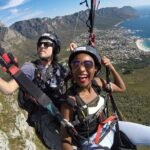
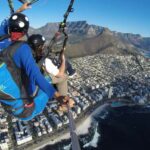
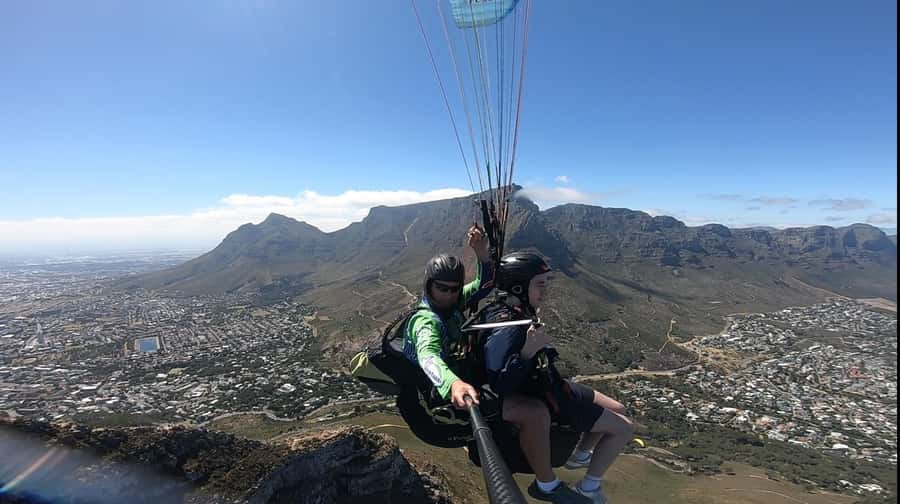
This is the core reason you book. The flight gives you 360-degree views of Cape Town’s geography—mountains, ocean, and city patterns at once.
If your launch is from Signal Hill, you’ll get a glide out over Sea Point and land along the Sea Point Promenade. That coastline stretch makes the city feel much more connected than it does on the ground.
If you launch from Lions Head, the glide crosses over Camps Bay before landing at The Glen Club. That route tends to feel more dramatic visually because you’re looking at the bay’s shape from above.
Either way, the pilot uses the air time to create a comfortable sightseeing loop. Several flights include short pauses where you’re encouraged to enjoy the view and position yourself naturally. It may sound small, but those moments help you remember the trip, not just the speed of it.
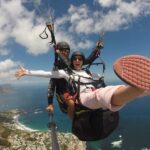
And yes, you’ll likely get photos and videos during the flight while you focus on looking around. If you don’t want the extra cost, you can still watch the world roll by, but if you want “proof” without juggling your own camera, the optional package is worth considering.
Sea Point Promenade and The Glen Club: Landing and Photo Delivery
Landing is handled by the pilot and crew, and it’s designed to feel calmer than takeoff. You’ll come down over the landing area, then the team helps you right away.
Where you land depends on your launch:
- Sea Point Promenade after a Signal Hill start
- The Glen Club after a Lions Head start
At the end, the photo/video workflow is practical. After you land, your content is copied directly onto your phone in the landing area. Several people flagged the GoPro-style setup and the easy transfer, which is the best kind of souvenir: no mailing, no waiting, no discovering later that you didn’t capture anything.
One important value check: photos/videos are an optional extra (R 400). Some people felt the overall experience could be better value, especially when the air time felt short. If you’re on a tight budget, decide ahead of time whether you want that extra file pack.
How Long It Really Is: 40 Minutes vs Time in the Air
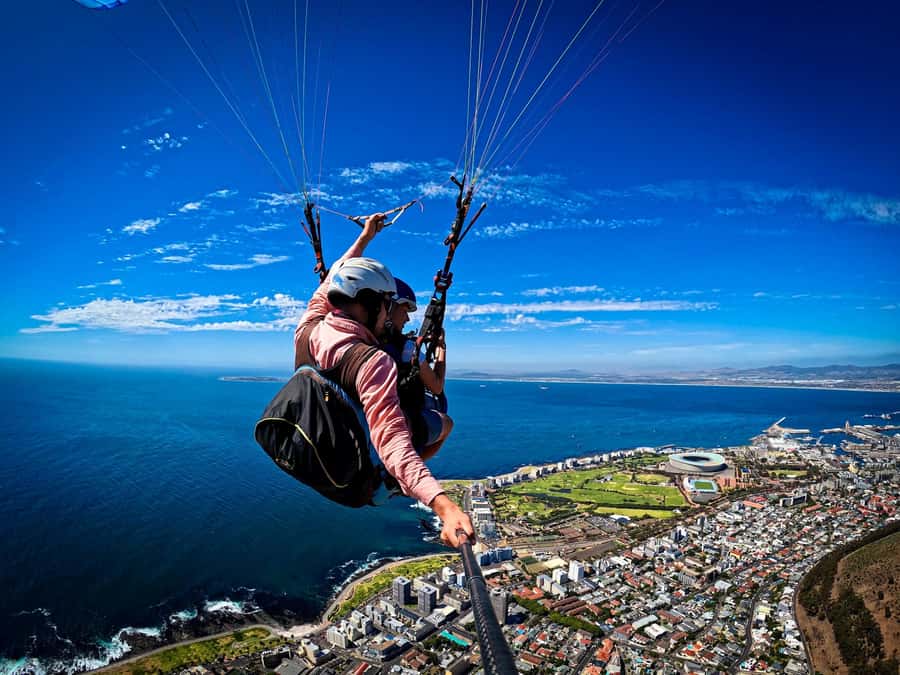
Your booking slot is 40 minutes, but paragliding in Cape Town is weather dependent. The wind is the key factor, and it’s also what drives changes in start time.
The team aims to keep you in the air around 5–15 minutes when conditions allow. If weather isn’t conducive, flights may be slightly shorter. That’s why this activity can feel “fast” even when it’s well run.
So how should you think about the value? Don’t pay only for the clock. Pay for:
- expert tandem handling
- a safe launch and landing
- the view itself in one of the best vantage cities in the world
If you’re coming from far away and want a longer airborne experience, you might wish for more time up there. But if your priority is a once-in-a-trip aerial view and you’re okay with the realities of wind, it’s a strong fit.
Also, the team may reschedule to later times when the wind allows. In practice, that means you should keep some flexibility on your day rather than stacking tight plans.
Price and Value: Is $109 Worth It?
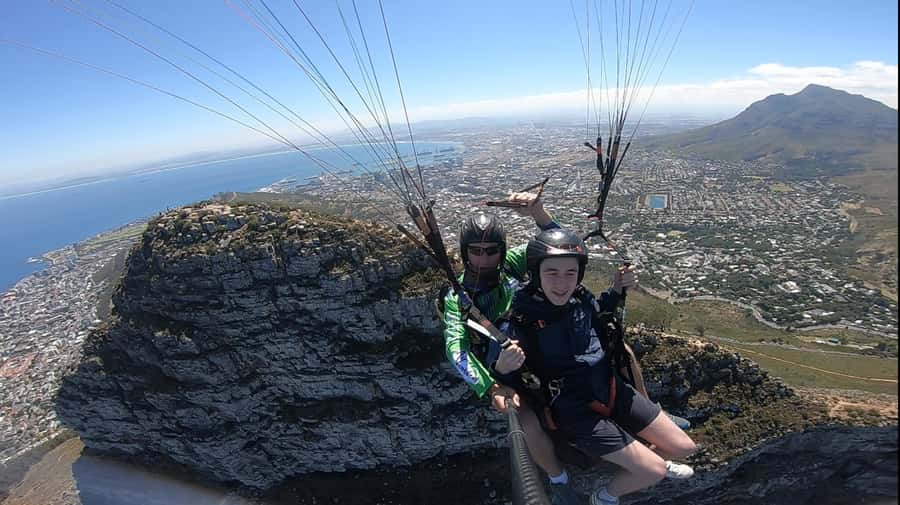
At about $109 per person, you’re paying for more than a ride. You’re paying for equipment, a tandem instructor, and the planning needed to fly when the wind cooperates.
What’s included:
- the paragliding flight
- experienced pilot (fluent in your chosen language)
- all necessary equipment
- use of a shuttle back up after landing (if you parked at takeoff)
What can add cost:
- photo/video is optional at R 400
- you must bring closed-toe shoes
A fair way to judge value is to compare expectations. If you expect a 30–40 minute “stay in the air” experience, you’ll likely feel shortchanged. If you expect a weather-smart flight with an expert pilot and you treat the air time as a gift, you’ll probably feel good about the spend.
One more value detail: several people praised the sense of being made comfortable. That safety confidence isn’t free, and it’s a real part of the cost you’re paying for.
Comfort, Safety, and Who Should (and Shouldn’t) Go
The experience isn’t for everyone. The company lists these limits:
- children under 14 aren’t suitable
- pregnant women aren’t suitable
- people with heart problems aren’t suitable
If you fall into the “might be nervous” category, you’ll likely be okay. Many people described feeling safe and reassured from the first briefing. The pilot’s job is to keep you calm and properly positioned, and the crew supports you before and after.
The part you control is your comfort preparation:
- wear closed-toe shoes only
- avoid open-toed shoes
You’ll also want to mentally accept that takeoff is a quick transition from ground to sky. If that idea stresses you out, tell the team before you launch and ask the pilot what you can expect during the first moments.
Practical Tips That Make the Day Go Smoothly
I’d do three things before you show up.
First, come ready to go. Some flights move quickly once you arrive: waiver on a phone, helmet on, clipped in, then launch.
Second, expect wind-related changes. People have had start times adjusted due to conditions, including waiting for a later window. Build slack into your schedule and treat WhatsApp or similar updates as part of the flow.
Third, plan your footwear and camera choices. Closed-toe shoes are required, and if you want video without managing your own gear, consider the optional R 400 package since the team delivers it directly to your phone afterward.
Finally, at the top, find Witness and confirm you’re in the right place. It’s at the paragliders launching area next to the car park on Signal Hill.
Should You Book Tandem Paragliding in Cape Town?
Book it if you want one of the most memorable views Cape Town can offer, with expert pilots handling everything. The pairing of Table Mountain angles, coastal glides, and that 360-degree perspective is the real prize, and the operation is built around making first-timers comfortable.
Skip (or at least reconsider) if you’re expecting a long “stay in the sky” session. The air time usually lands around 5–15 minutes, and the wind can shorten flights. Also, don’t book if you’re in any of the listed unsuitability categories.
If you’re flexible on timing, wear closed-toe shoes, and you’re okay paying for an experience where weather drives the airtime, then $109 for a tandem flight with clear guidance and strong safety confidence is a good deal. For many people, it’s the highlight of the trip for exactly that reason: you get the Cape Town view without needing any skill—just a willingness to look up.
FAQ
How long is the paragliding experience?
The experience is listed as 40 minutes in total. Flight time in the air can vary based on wind, with the team aiming for about 5–15 minutes when conditions allow.
Where does the flight start?
Flights start at either Signal Hill or Lions Head, depending on wind direction on the day.
How long will I be in the air?
They aim to keep people in the air for 5–15 minutes when weather allows. If conditions aren’t ideal, flights may be slightly shorter.
What views will I get?
You’ll fly over and around major Cape Town landmarks, including Table Mountain views and coastal views of areas like Sea Point and Lions Head. If launching from Lions Head, you may also glide over Camps Bay.
Where do you land?
If you launch from Signal Hill, you glide toward landing on the Sea Point Promenade. If you launch from Lions Head, you glide toward landing at The Glen Club.
Is the pilot included, and what languages are offered?
Yes. You fly with an experienced tandem instructor pilot fluent in your chosen language. Languages listed include English, Turkish, German, and Dutch.
Do I need to bring anything?
Bring closed-toe shoes. Open-toed shoes aren’t allowed.
Are photos and videos included?
Photos and videos are an optional extra for R 400. If you purchase them, they are copied directly onto your mobile phone after landing.
Will they take me back to the takeoff point?
Yes. The activity includes a free shuttle back up to the takeoff location after landing if your vehicle was left there.