REVIEW · CHANIA
Paragliding in Chania
Book on GetYourGuide →Operated by Paragliding Crete Power Fly · Bookable on GetYourGuide
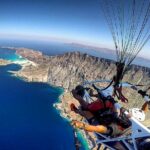
Chasing sea views from the sky is kind of unfair. In Chania, this paragliding setup (often called paratriking) pairs a parachute with a small trike so you and your pilot can get up quickly and focus on the views. I especially like the safety-first feel thanks to the helmets and constant pilot communication, and the big, coastal panorama that turns Crete into a map you can actually see.
One thing to factor in: wind can change everything. The team adjusts location or timing based on weather conditions, so be ready for a reschedule rather than assuming the plan will run exactly the same day.
In This Review
- Key things you’ll notice fast
- Why paratriking over Chania feels different
- From the Limnoupolis area to getting airborne quickly
- What you’ll actually see: Chania, Falassarna, and the mountain layer cake
- Coastline and mountain viewpoints
- Beach wildlife: the Careta Careta turtle moment
- Safety details that make the ride feel controlled
- Price and what you get for $165 per person
- Weather changes in Crete: plan like a local, not a robot
- Who should book, and who should skip this one
- Suitability notes you should not ignore
- What to wear (and what to avoid)
- Also consider your comfort style
- Language support: English with audio options
- Should you book paragliding in Chania with Paragliding Crete Power Fly?
- FAQ
- Where is the meeting point for the Chania paragliding experience?
- How long is the flight experience?
- Do I need any prior experience to go paragliding?
- Is this activity wheelchair accessible?
- What should I bring, and are there footwear rules?
- Who isn’t allowed to participate?
Key things you’ll notice fast
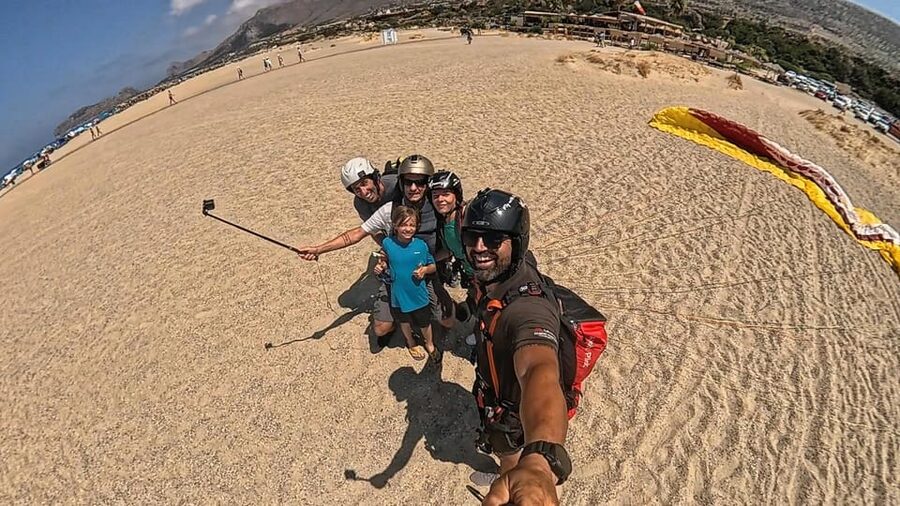
- A 2-seat paragliding ride with a trike: you’re not solo launching; you’re strapped in with your pilot.
- Quick lift-off in about a minute once the engine does its job.
- Serious scenery, not just pretty clouds: mountains in the distance plus coastline straight below.
- Wildlife spotting opportunity at the right beaches, including Careta Careta turtles.
- Weather-based flexibility: the operator may switch plans if wind isn’t ideal.
- Language support in English (plus audio available in English and Greek).
Why paratriking over Chania feels different
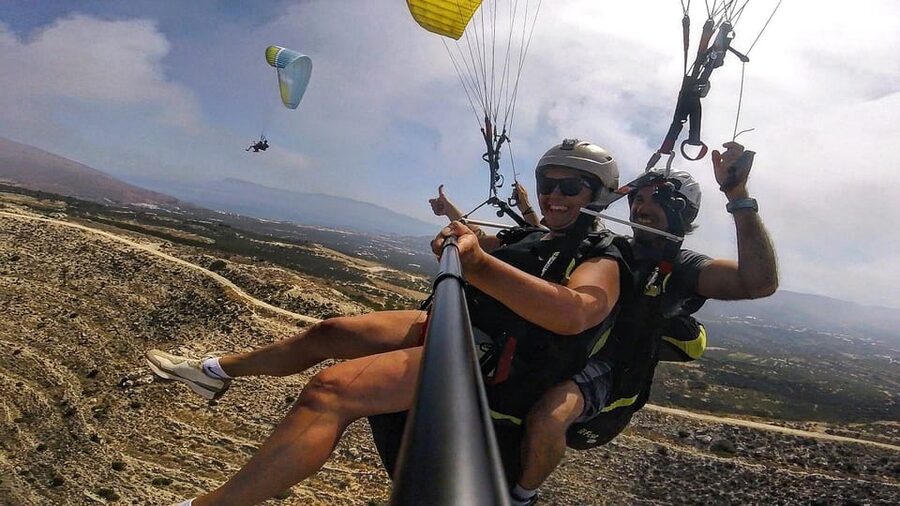
Let’s start with what makes this outing feel practical: the experience is designed around comfort and guidance, not confidence games. It’s paragliding, but you’re flying with a professional pilot while sitting in a two-seat setup attached to a trike. That matters, because it removes a lot of the intimidation factor most people associate with paragliding.
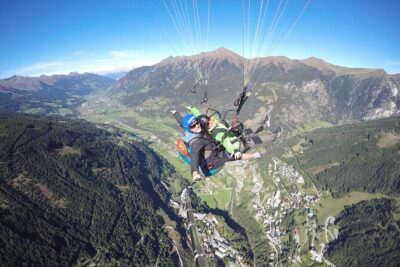
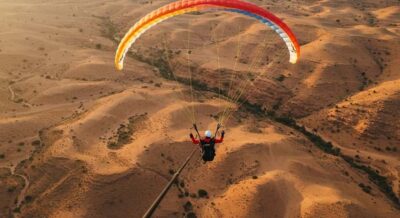
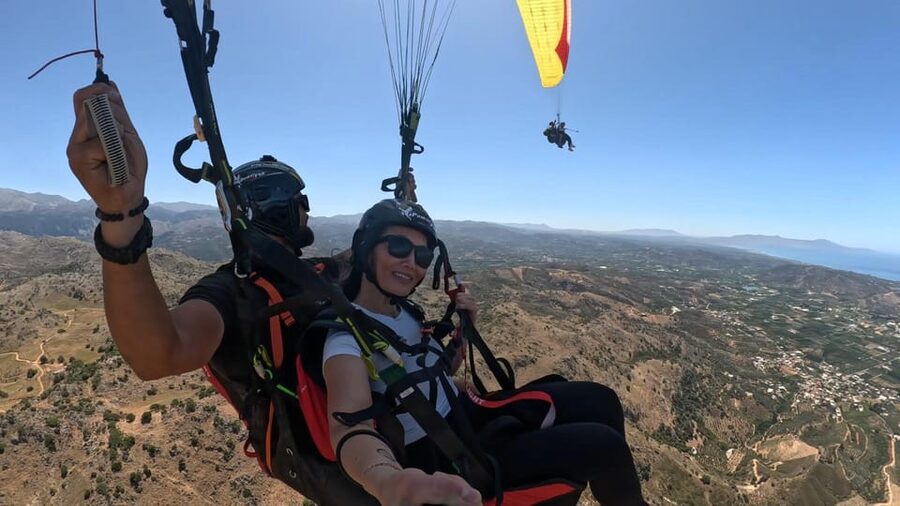
What you’ll likely care about is the view and the feel. Crete from above looks like a real-time painting: coastlines, ridgelines, and mountain massifs all layered at once. The highlights specifically point to sweeping sights over Chania and the coastline, with Barypetro and the Lefka Ori area, plus Falassarna Beach. And if skies align, you can also catch the drama of big mountain backdrops like the White Mountains and Psiloritis.
There’s also a more personal kind of excitement here: helmets are fitted so pilot and passenger can communicate continuously. It’s not just calm “trust me” talk. It’s active, on-the-fly instructions and reassurance. If you’re the kind of traveler who likes to understand what’s happening, that helps a lot.
From the Limnoupolis area to getting airborne quickly
Your meeting point is near Limnoupolis water park. Plan to arrive with enough time to check in, meet your team, and get briefed before you gear up.
Here’s the flow you can expect once you arrive:
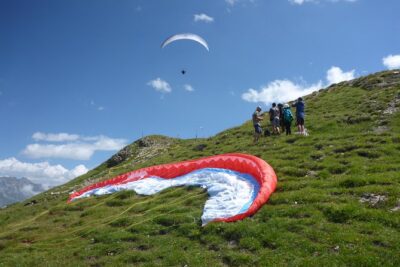
- Preparation and briefing: you’ll go through what to expect and how to handle the equipment while strapped in.
- Helmet fitting: helmets are provided, and they’re wired so pilot and passenger can talk.
- Go time: the trike uses an engine, so it only takes about a minute to get up in the air.
That “about a minute” detail is worth noting. It means you’re not spending a long stretch in limbo while the moment builds. You go from waiting to flying fairly quickly, which keeps nerves calmer for many first-timers.
Also, since the duration is listed as 20 minutes, the experience is intentionally short and focused. You’re not signing up for a half-day weather gamble—you’re buying a tight window of sky time, supported by a team that watches wind conditions seriously.
What you’ll actually see: Chania, Falassarna, and the mountain layer cake
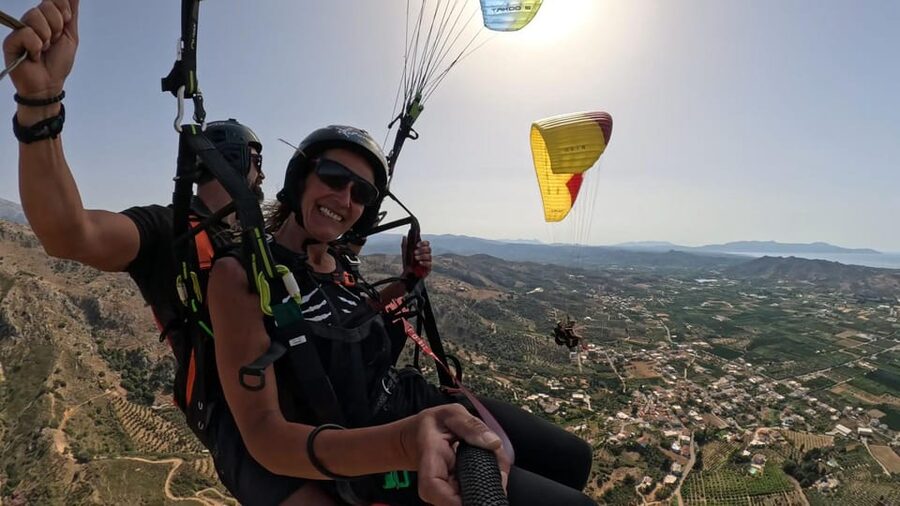
This flight is built around scenery. The highlights call out specific areas you’ll likely be looking at from above, and that’s where the experience becomes memorable.
Coastline and mountain viewpoints
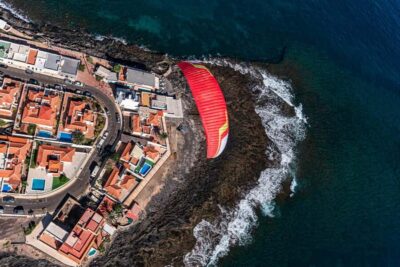
You’re looking for the moment when the coastline suddenly stops being a border and starts being a shape—curves, bays, and cliffs that make more sense when you can see the whole pattern. The route’s highlights reference:
- Barypetro and Lefka Ori (the mountain backbone)
- Falassarna Beach
- Views of the White Mountains and Psiloritis in the background (when conditions allow)
There’s also a note about snow-capped mountains. That depends on season and timing, but it’s the kind of detail that makes the flight feel like it’s connecting far-apart parts of the island in one glance. From your seat, you may feel the sun and clouds on your skin while looking down at the sea—an odd combination that stays with you.
Beach wildlife: the Careta Careta turtle moment
One of the most distinctive highlights is a chance to spot Caretta Caretta turtles swimming and nesting on the beach. Spotting wildlife from above is never guaranteed, but the fact that this is specifically part of the experience plan tells you the flight is designed to pass over areas where these turtles are present and active.
If you’re the type of traveler who loves “I saw something real” moments, this is a big deal. It’s not just a scenic flight; it’s tuned for nature observation.
Safety details that make the ride feel controlled
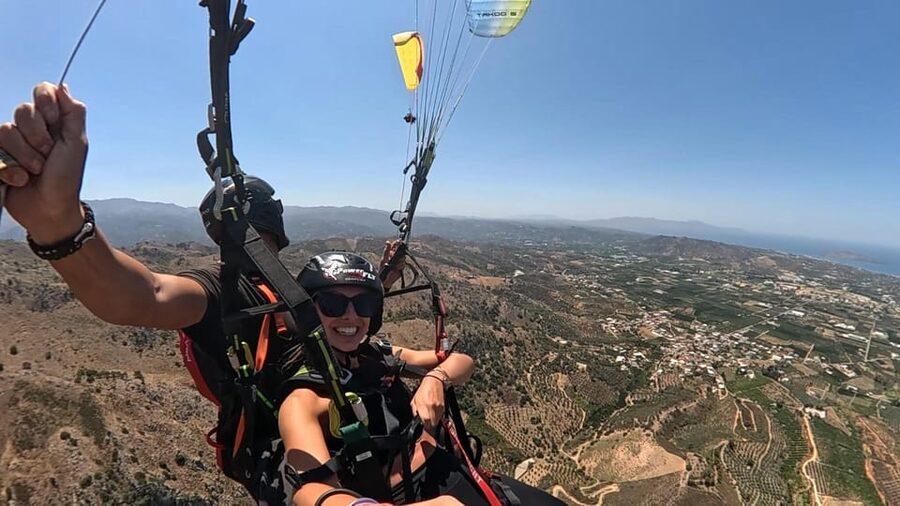
Paragliding is often described as thrilling, but your comfort comes from process. What I like here is how the setup is described as safe and guided, even for people without experience.
The key safety points you should take seriously:
- No experience is required (and the operator provides suitable equipment).
- Helmets are worn and wired so pilot and passenger can speak continuously.
- The flight is handled by a professional pilot and instructor, not a “good luck” situation.
The two-seat design also plays a practical role: your pilot can focus on control and navigation while you focus on looking. That balance is important, especially if you tend to overthink safety.
One more real-world reassurance comes from how the operation handles conditions. In one account, the team rescheduled and changed location based on wind conditions to protect the quality of the flight. Another account describes flexibility when the weather demanded an alternate approach (paramoteur/paratriking instead of paragliding at that moment). The thread you want to see is consistent: safety and conditions first, experience second.
You should still treat this as a real activity, not a sightseeing ride. Follow instructions, keep your posture as advised, and be honest if you’re not feeling well.
Price and what you get for $165 per person
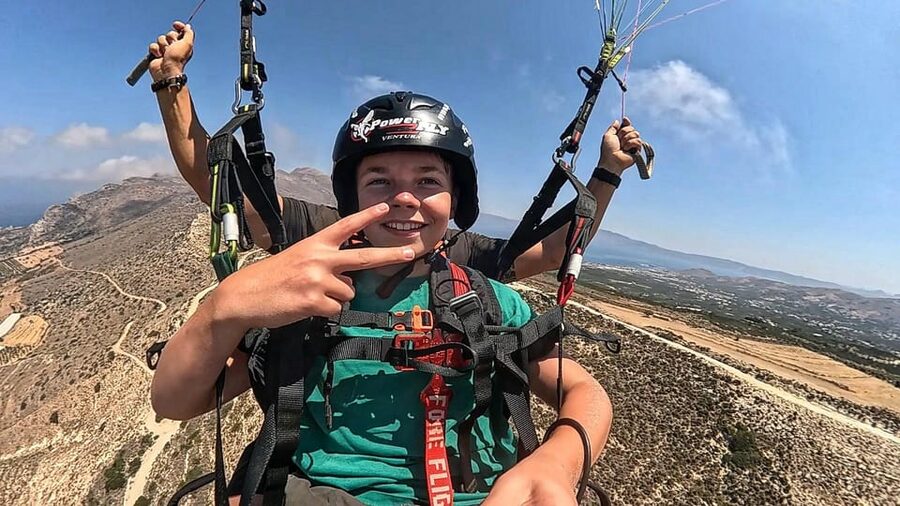
At $165 per person for about 20 minutes, you’re paying for more than “some time in the air.” You’re paying for:
- Professional pilot and instructor
- Helmet and equipment
- Preparation for your flight
- A two-seater paragliding flight (paratriking setup)
- A commemorative activity certificate
That value makes sense when you consider what’s included. If you’ve done activities like this elsewhere, the expensive part usually isn’t the physical thrill—it’s the gear, the specialized pilot skills, and the ongoing effort to match conditions to a safe route. Here, the operator clearly builds that into the package.
What’s not included:
- Hotel pickup and drop-off
- Food and drinks
- Video recording on a memory card
So the real cost for your day might be transport to the meeting point near Limnoupolis water park, plus any snack or water you want afterward. If you’re staying in Chania, that’s usually manageable—but it’s still something to budget.
Also, there’s a practical booking option: you can reserve now and pay later, which helps if your Chania days are already packed and weather could shuffle timing.
Weather changes in Crete: plan like a local, not a robot
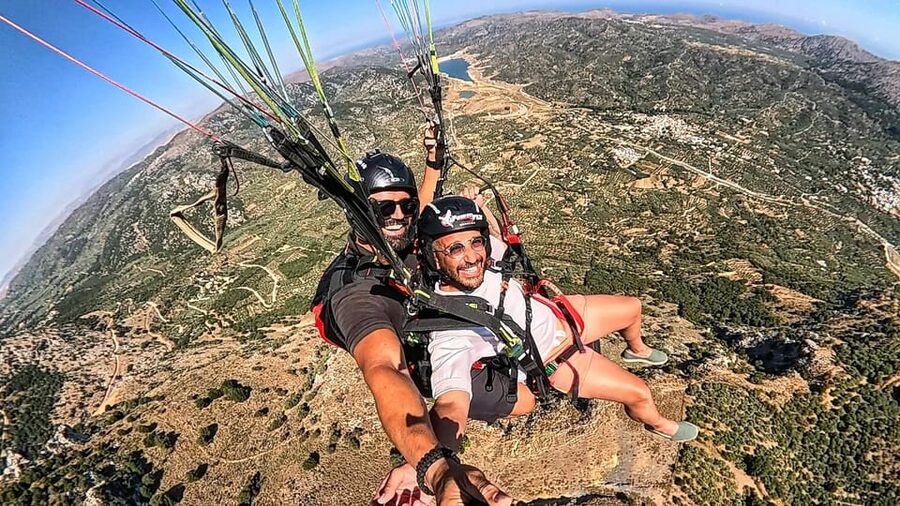
Crete has wind. The operator knows it, and they build flexibility into the day.
A few days before your flight, the team informs you based on weather conditions—so don’t treat your date like a fixed appointment with no variables. One experience account described a same-day shift: the activity was postponed or changed to a different flying approach due to the wind, then completed later when conditions improved.
Here’s the traveler takeaway:
- Keep your schedule slightly open if you can.
- If the day shifts, don’t assume it’s a mistake. It’s often the whole point.
This is also where communication matters. With wired helmets and ongoing guidance, the team can manage what happens in real time once you’re suited up and ready. But they’ll still choose not to fly if conditions aren’t right.
Who should book, and who should skip this one
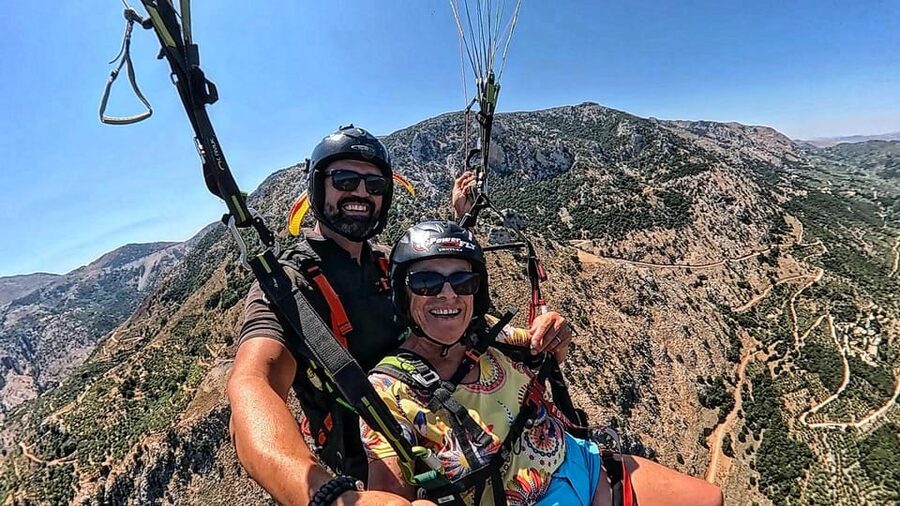
This experience is listed as suitable for all ages and even people with special needs, with the big caveat that you follow the safety restrictions. Here’s what you should use to decide:
Suitability notes you should not ignore
- Not suitable for children under 6 years
- Not suitable for people with heart problems
- Weight limit: over 243 lbs (110 kg) is not suitable
- Wheelchair accessible (so the team can accommodate wheelchair guests)
What to wear (and what to avoid)
Bring:
- A jacket
- Sports shoes
And follow the rule:
- Shoes are not allowed (this is stated clearly)
That may sound confusing, but don’t try to second-guess it. Follow the operator’s guidance on the day and the footwear rules they apply on-site.
Also consider your comfort style
If you get motion-sick easily or you’re very anxious about heights, talk with the crew when you arrive. The safety process is structured, but your comfort matters too. A short, guided 20-minute flight can still feel intense—even if it’s controlled.
Language support: English with audio options
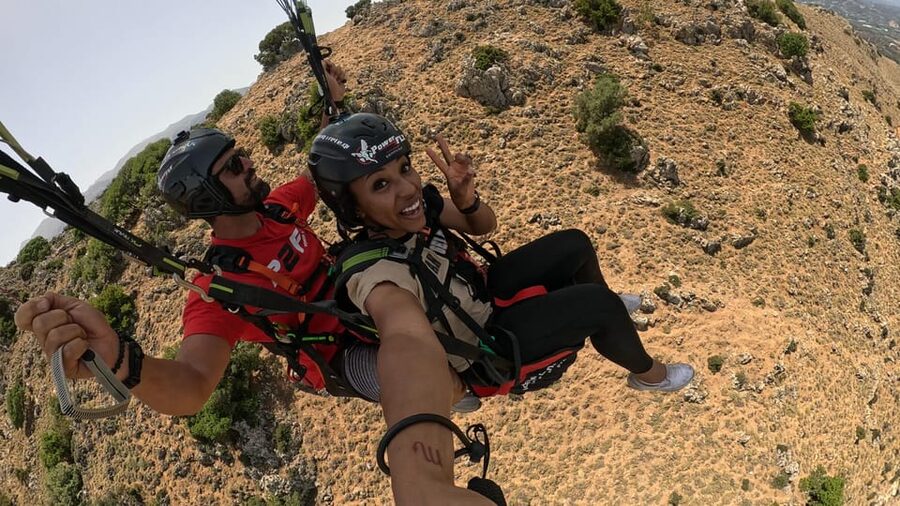
The live guide is listed as English, and there’s audio available in English and Greek. If you want help understanding what you’re seeing—mountains, coastline, and beach areas—this kind of support makes the flight more than just visuals. You’ll likely get clearer context while you’re in the air and looking down.
Should you book paragliding in Chania with Paragliding Crete Power Fly?
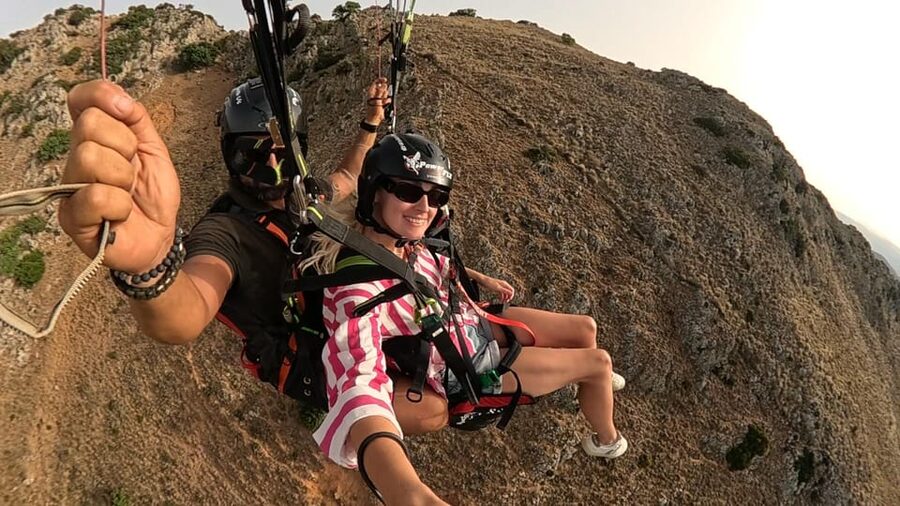
If you want a sky experience that feels guided, not DIY, this is a strong choice. The combination of two-seater comfort, helmet communication, and route planning for views like Lefka Ori, Falassarna, and mountain backdrops makes it worth serious consideration.
I’d especially recommend it if:
- You’re visiting Chania and want something memorable that isn’t just another beach day
- You don’t want training time—this is built for first-timers
- You care about safety process and weather-aware decisions
- You’d like a chance at wildlife viewing, including Caretta Caretta turtles
I’d be cautious if:
- Your schedule is extremely tight and you can’t handle weather-based changes
- You have a heart condition (the activity states it’s not suitable)
- You fall outside the age or weight limits
If you’re flexible and want a focused, scenic flight without the hassle of learning anything, book it. Just go in knowing that Crete’s wind helps decide the exact timing—and that’s not a flaw. It’s what keeps the whole experience feeling safe and worth your money.
FAQ
Where is the meeting point for the Chania paragliding experience?
The meeting point is near the Limnoupolis water park.
How long is the flight experience?
The duration is listed as 20 minutes.
Do I need any prior experience to go paragliding?
No experience is required. The operator provides suitable equipment and flight instruction.
Is this activity wheelchair accessible?
Yes, it is listed as wheelchair accessible.
What should I bring, and are there footwear rules?
You should bring a jacket and sports shoes. The activity also states that shoes are not allowed, so follow the operator’s instructions on-site.
Who isn’t allowed to participate?
It is not suitable for children under 6 years, people with heart problems, and people over 243 lbs (110 kg).