REVIEW · MADRID
Paragliding Tandem Flight from Madrid
Book on GetYourGuide →Operated by Madrid Outdoor Sports · Bookable on GetYourGuide
Looking for a way to feel weightless fast. A tandem paragliding flight over Cebreros or Somosierra gives you that rush with the pilot doing the technical work and you handling only a simple forward run (or sometimes none at all). I also love how straightforward the briefing is, with clear instructions before takeoff, plus warm flight overalls and gloves included so you’re not scrambling for the right clothing. One possible drawback: if wind is weak, your time in the air can be closer to 10–12 minutes instead of the usual 15–25.
This is built for ease. The experience runs about 3 hours from the meeting point at Avenida del Mediterráneo 28, and it’s offered with Spanish or English instruction in a private-group format. If you’re excited to fly but don’t want a long training course, this is one of the simplest ways to do it.
In This Review
- Key Points to Know Before You Go
- How Tandem Paragliding Works on Day One
- Cebreros vs Somosierra: The Wind Picks Your Launch Spot
- Takeoff: What You Actually Do When the Wing Lifts
- Altitude and Flight Time: How Long You’ll Be Up There
- What Makes the 3 Hours Feel Like More Than a Flight
- Gear and Clothing: Stay Warm Without Overthinking It
- Who’s Driving the Experience: Skills You Can Feel
- Price and Value: Is $330 Worth It?
- Who This Fits Best (and Who Should Skip It)
- When It’s Cold, Windy, or Just Not Perfect
- Should You Book This Madrid Tandem Paragliding Flight?
- FAQ
- Where do I meet for the Madrid tandem paragliding flight?
- Do I need previous paragliding experience?
- What happens during takeoff?
- How long is the flight, and how long is the full experience?
- Where will I fly, Cebreros or Somosierra?
- What should I bring, and what is not allowed?
- Is free cancellation available?
Key Points to Know Before You Go
- Cebreros or Somosierra takeoffs depend on the wind direction, so the plan adapts to conditions
- No prior paragliding experience is required, and the pilot handles the launch setup
- You may barely run on takeoff if wind helps you forward
- Flights cover about 600–800 vertical meters, with airborne time often 15–25 minutes
- Warm gear is included (flight overalls and gloves), plus you should bring a windbreaker
How Tandem Paragliding Works on Day One
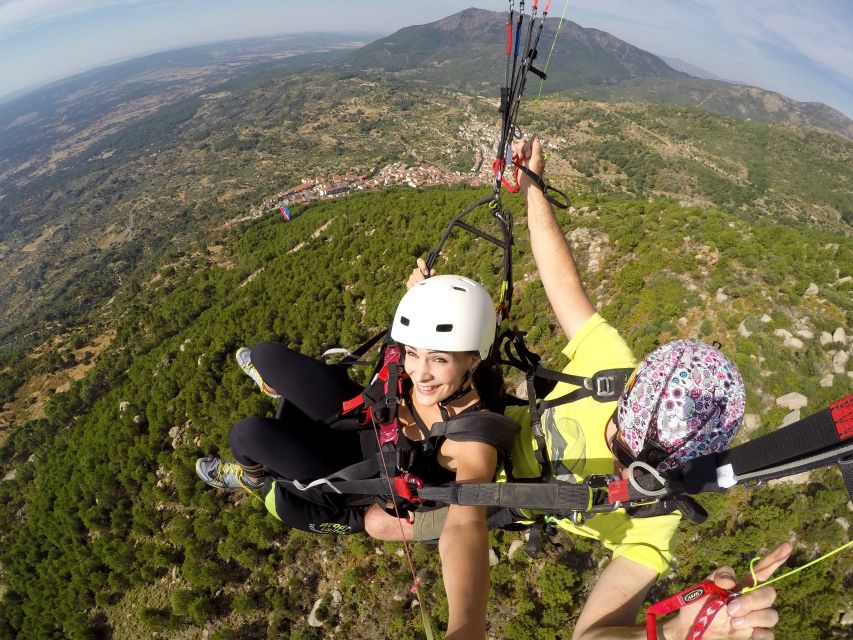
Tandem paragliding is the point-and-go version of paragliding. You’re strapped in with your pilot, and they control the wing and the flight plan. Your job is basically to follow instructions and stay relaxed.
Before anything moves, you’ll get a briefing that’s meant to be easy to remember. The big moment is takeoff. The pilot lifts the glider off the ground, and you focus on trying to run forward without sitting or jumping. That sounds intense, but the start is done on grassy slopes with not-too-steep inclines, so it’s more about staying balanced than sprinting.
And here’s what I like for first-timers: they’re not asking you to be an athlete. The expectation is that you don’t need prior training or a special fitness background to fly. Of course, safety limits still apply by body size and other factors, which I’ll cover later.
Cebreros vs Somosierra: The Wind Picks Your Launch Spot
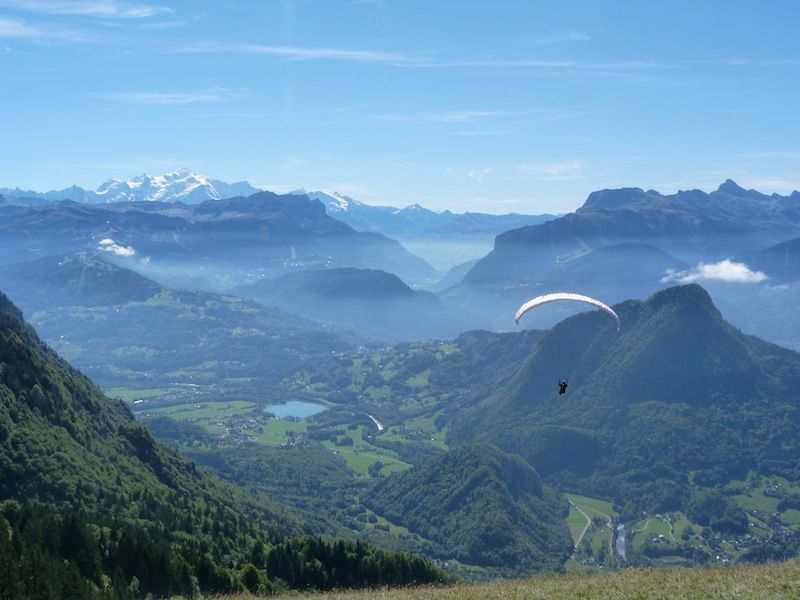
Your flight area is usually one of two places: Cebreros or the mountain pass of Somosierra. The choice comes down to wind direction. That’s not a random switch; wind is what controls where the wing can lift safely and glide well.
Cebreros tends to be a straightforward option, while Somosierra is a classic mountain pass setting. What matters for you is that either area gives you the chance to fly over a dramatic stretch of central Spain from above. It also helps to know you’re not just hoping for the best. The operation plans for wind changes by switching sites.
Practical detail: the driving distance from Madrid to these areas is about 90–100 km. So you’re not staying in the city for this. You’ll be trading streets for open slopes and wide skies.
Takeoff: What You Actually Do When the Wing Lifts
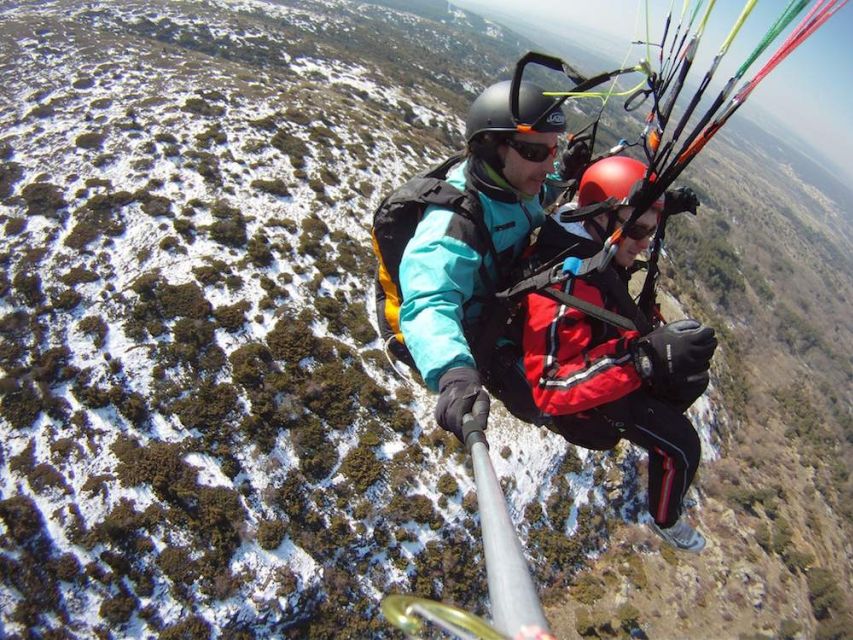
This part is the most talked-about, so let’s make it clear. Takeoffs happen on grass slopes with gentle enough angles for controlled starts. If there’s little wind, you may need a bit more run-forward action to help the glider get into the air. If the wind is stronger, you might not have to run much at all.
Here’s the mindset that helps most people. Don’t fight the pilot. Keep your body aligned, and treat the start like following a checklist you practiced in your head. The pilot lifts the glider, you run forward as instructed, and then the wing takes over the rest.
Also, you’ll want to listen carefully for any personal adjustments the pilot calls out. Even with a simple process, different body types and comfort levels mean tiny differences in how you should position yourself during the start.
Altitude and Flight Time: How Long You’ll Be Up There
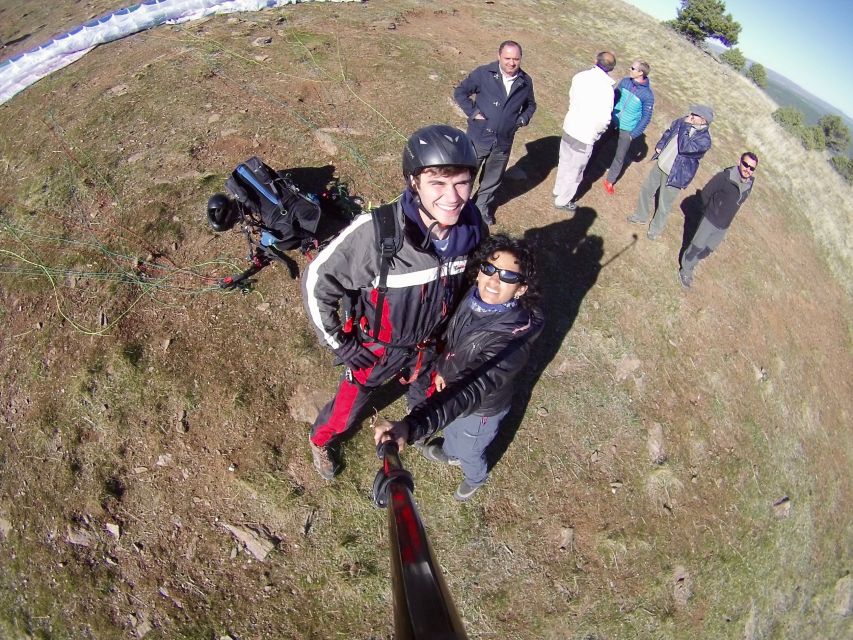
Your tandem flight involves climbing to roughly 600–800 vertical meters. That’s high enough to feel like you left the ground, but not so high that everything becomes hard to manage from a human perspective. Expect a big shift in how you perceive speed and distance once you’re airborne.
In terms of time, your flight duration depends mostly on wind strength at takeoff:
- Typical flights last 15–25 minutes
- In the worst case of very weak or no wind, it can be about 10–12 minutes
That “worst case” detail matters for planning your expectations. If you’re booking this as the one big adrenaline event in a trip, it’s smart to go in expecting the possibility of a shorter air time. The upside is you still get the full tandem experience structure, gear, and the ride itself.
What Makes the 3 Hours Feel Like More Than a Flight
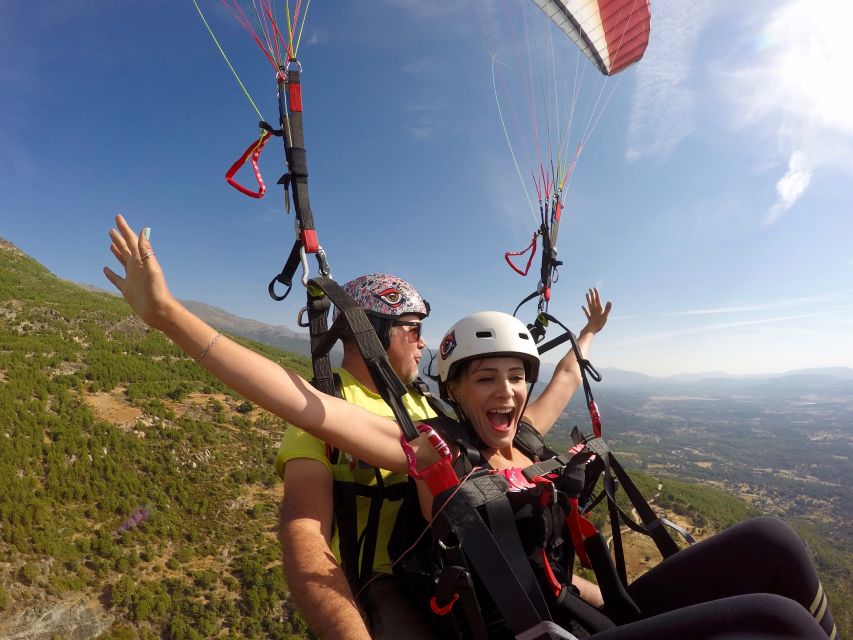
The total experience time is about 3 hours, and the flight itself is only a slice of that. The rest is what usually determines how calm (or stressful) the day feels.
Here’s the flow you can expect in plain terms:
- Meet at the school in Madrid
- Get kitted up with the flight overalls and gloves
- Go through the instructions for takeoff and in-air basics
- Travel out toward your chosen takeoff area
- Launch and fly
- Land and wrap up
This isn’t just time filler. Instruction first matters because it sets you up to enjoy the moment instead of worrying about what you should be doing. Gear matters because it keeps your body comfortable when you’re up higher and exposed to breeze.
And if you’re the type who worries about “Will I mess it up,” this is where the tandem format helps. You’re not launching alone. The pilot lifts the wing and steers, and you focus on following the simple guidance you receive at the start.
Gear and Clothing: Stay Warm Without Overthinking It
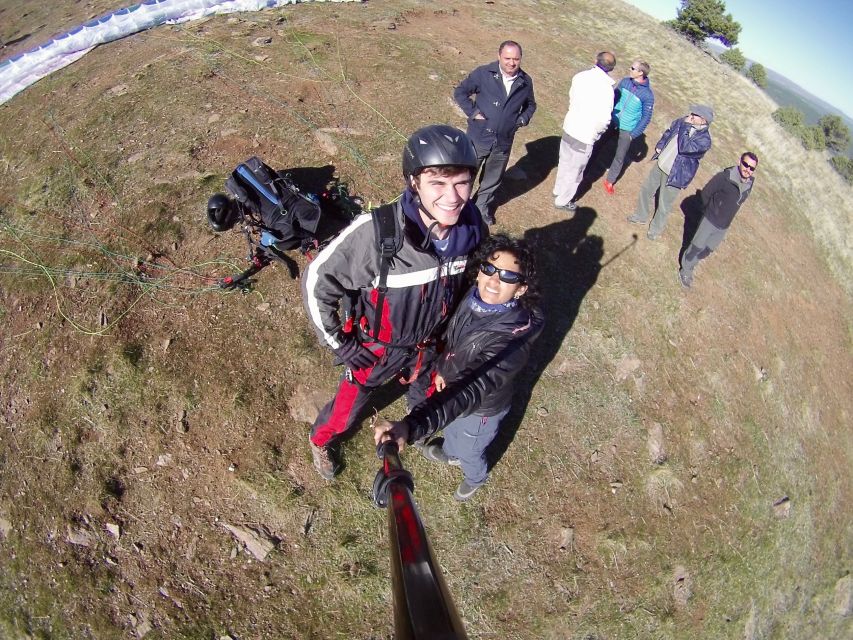
Good paragliding days can still feel cool. That’s why this experience includes flight overalls and gloves to keep you warm. It’s a real value add because buying or renting the right things at the last minute is usually more hassle than people plan for.
You should still bring a windbreaker. Even with warm gear on, wind can find the gaps, especially before takeoff and during landing when conditions can change quickly. A windbreaker is light, easy to pack, and helps you stay comfortable the whole session.
One more practical note: you’re doing a run-forward takeoff. Wear clothing that lets you move naturally and won’t grab or restrict you. The exact clothing rules aren’t listed, so just use common sense: secure footwear and comfortable layers you can manage in motion.
Who’s Driving the Experience: Skills You Can Feel
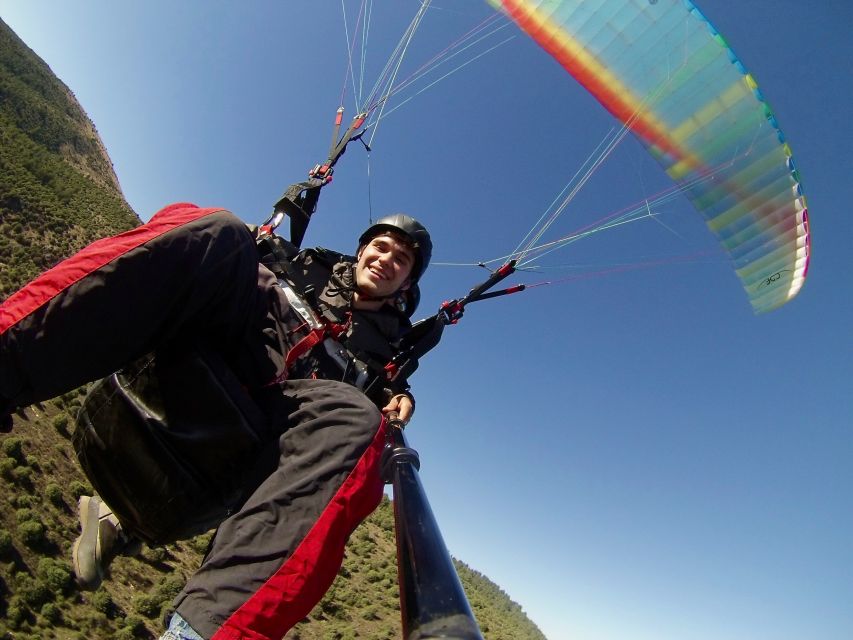
A big part of any tandem flight is trust. In one recent booking, the pilots Daniel and Daye were singled out for being extremely knowledgeable and for making the experience genuinely fun from beginning to end. That matches what you want to see in a good operator: clear communication, confidence in the procedure, and a calm approach when your brain is busy thinking What if.
Since instruction is available in Spanish and English, you also won’t have to guess your way through safety steps. Even if you’re nervous, having a pilot who can explain in your language makes a huge difference in how quickly you relax.
Price and Value: Is $330 Worth It?
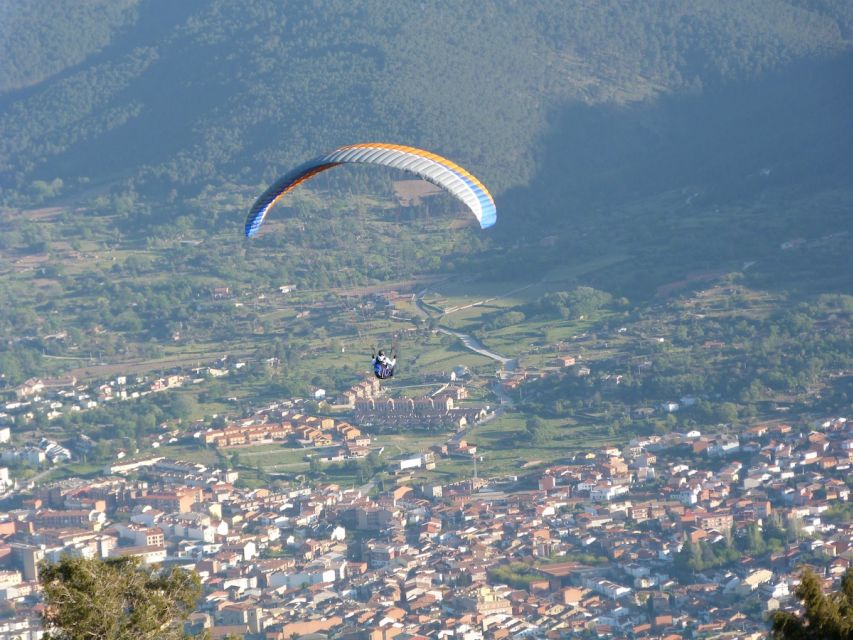
At $330 per person for a roughly 3-hour experience, you’re paying for more than the air time. You’re paying for:
- A professional tandem pilot and safe launch process
- Warm specialized gear (overalls and gloves)
- Instruction with takeoff guidance geared to first-timers
- Transportation out of Madrid to the flight areas
- The chance to fly over Cebreros or Somosierra depending on real wind conditions
Is it “cheap”? No. But I’d call it decent value if you’re looking for a once-in-a-trip memory. The key is that you’re not paying for a long training course or years of instruction. You’re paying for a structured experience that takes you from briefing to flight without making you earn your wings.
If you’re considering doing this as a bucket-list event, the short, concentrated format works in your favor. You get a full experience without consuming multiple days.
Who This Fits Best (and Who Should Skip It)
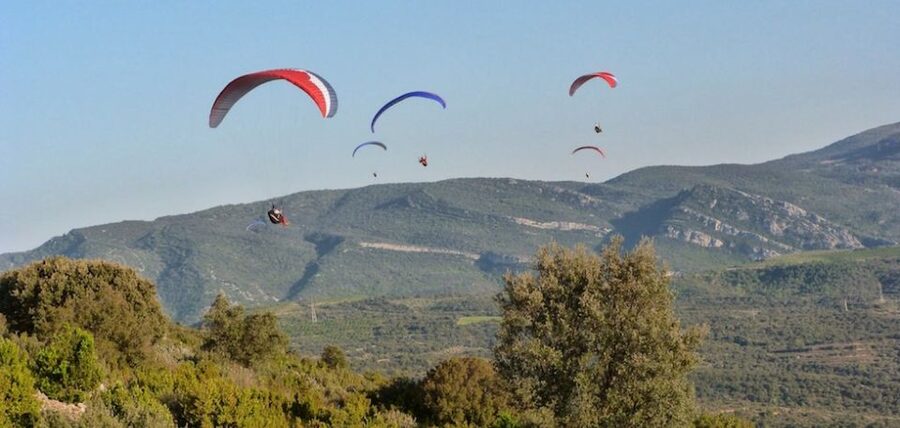
This activity is designed for people who want to fly without experience. That part is clear: no former paragliding training is needed.
It also isn’t for everyone. It’s listed as not suitable for:
- Pregnant women
- People with mobility impairments
- People under 120 cm (3 ft 9 in)
- People over 100 kg (220 lbs)
And there are basic behavior limits too: no alcohol and no drugs.
If you fit the height/weight limits and you can follow instructions and handle a short run-forward start, this is a strong choice for:
- First-timers who want the thrill without learning equipment
- People traveling in small groups who want a private format
- Anyone who wants a unique Madrid-area day trip that feels truly different
If you’re unsure due to mobility or health questions, I’d treat this as a “talk to the operator first” situation. The safety restrictions are specific, and you want an honest yes or no.
When It’s Cold, Windy, or Just Not Perfect
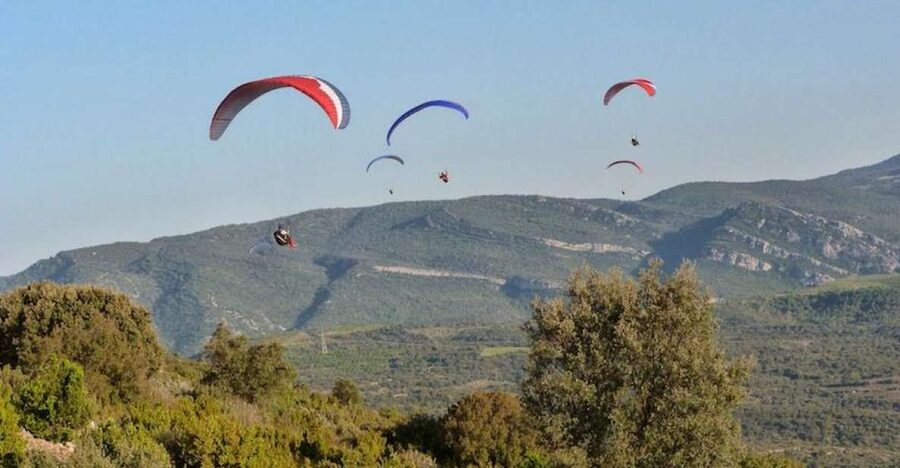
Weather can shift your plans, and this experience is designed around that reality. Wind direction determines whether you launch from Cebreros or Somosierra. Wind strength determines how long you’re in the air.
So on a day when wind is lighter, you may fly less time. On the bright side, you’ll still get the structure: gear, briefing, and a tandem flight experience. The best way to protect your enjoyment is to be flexible about duration, not fixed on a specific number.
Bring your windbreaker, listen to your pilot, and let the day do what it does. That’s how you turn a variable-weather activity into a good memory instead of a complaint.
Should You Book This Madrid Tandem Paragliding Flight?
I think this is worth booking if you want a big adrenaline moment without prior training. The takeoff process is designed to be simple for first-timers, the gear is included, and you’re flying in a private-group format with instruction in Spanish or English.
Skip it if you’re outside the listed suitability limits, or if you’re uncomfortable with the idea of takeoff involving a run-forward action when wind is light. Also, if you’re the type who needs a long airtime guarantee, know that calm conditions can shorten the flight to about 10–12 minutes.
If you can handle a bit of weather uncertainty and you want a true “I did that” experience near Madrid, this tandem flight over Cebreros or Somosierra is a strong pick.
FAQ
Where do I meet for the Madrid tandem paragliding flight?
You meet at the school on Avenida del Mediterráneo 28, 28007 Madrid.
Do I need previous paragliding experience?
No. No former experience is needed, and you’ll get instructions from the pilot before takeoff.
What happens during takeoff?
You’ll receive instructions first. The pilot lifts the glider off the ground, and you try to run forward without sitting or jumping. If there is little wind, you might not have to run much.
How long is the flight, and how long is the full experience?
The experience lasts about 3 hours total. Flight time is usually 15–25 minutes, and in the worst case it can be about 10–12 minutes.
Where will I fly, Cebreros or Somosierra?
Flights are usually done in one of two areas depending on wind direction: Cebreros or the mountain pass of Somosierra.
What should I bring, and what is not allowed?
Bring a windbreaker. Alcohol and drugs are not allowed.
Is free cancellation available?
Yes. You can cancel up to 24 hours in advance for a full refund.